Uncovering the Hidden Anatomy Behind Your Abs and Sexy Lines
Updated 8/5/2026
1 views
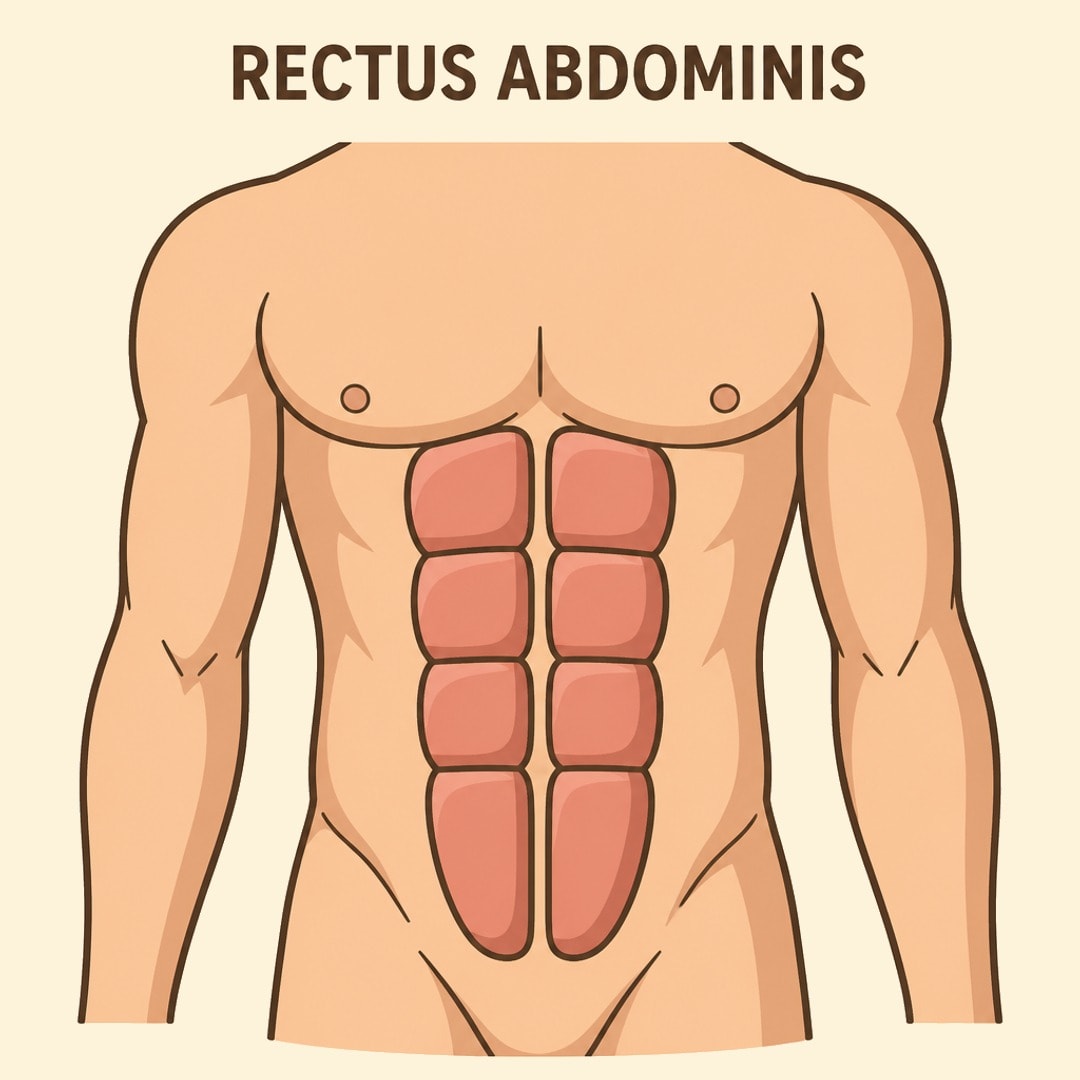
When people talk about building fitness goals like a classic six-pack or a defined set of parallel lines, they often talk as if they are manufacturing a brand-new body part from scratch. In daily conversation, it sounds like sweat and crunches are molding clay, adding entirely new tissue to an empty stomach. The truth is much more surprising because that intricate framework has actually been resting right beneath your skin since the day you were born. Every human being carries the exact same basic muscle architecture across the front of their torso, regardless of how much they currently exercise or what they ate for lunch today.
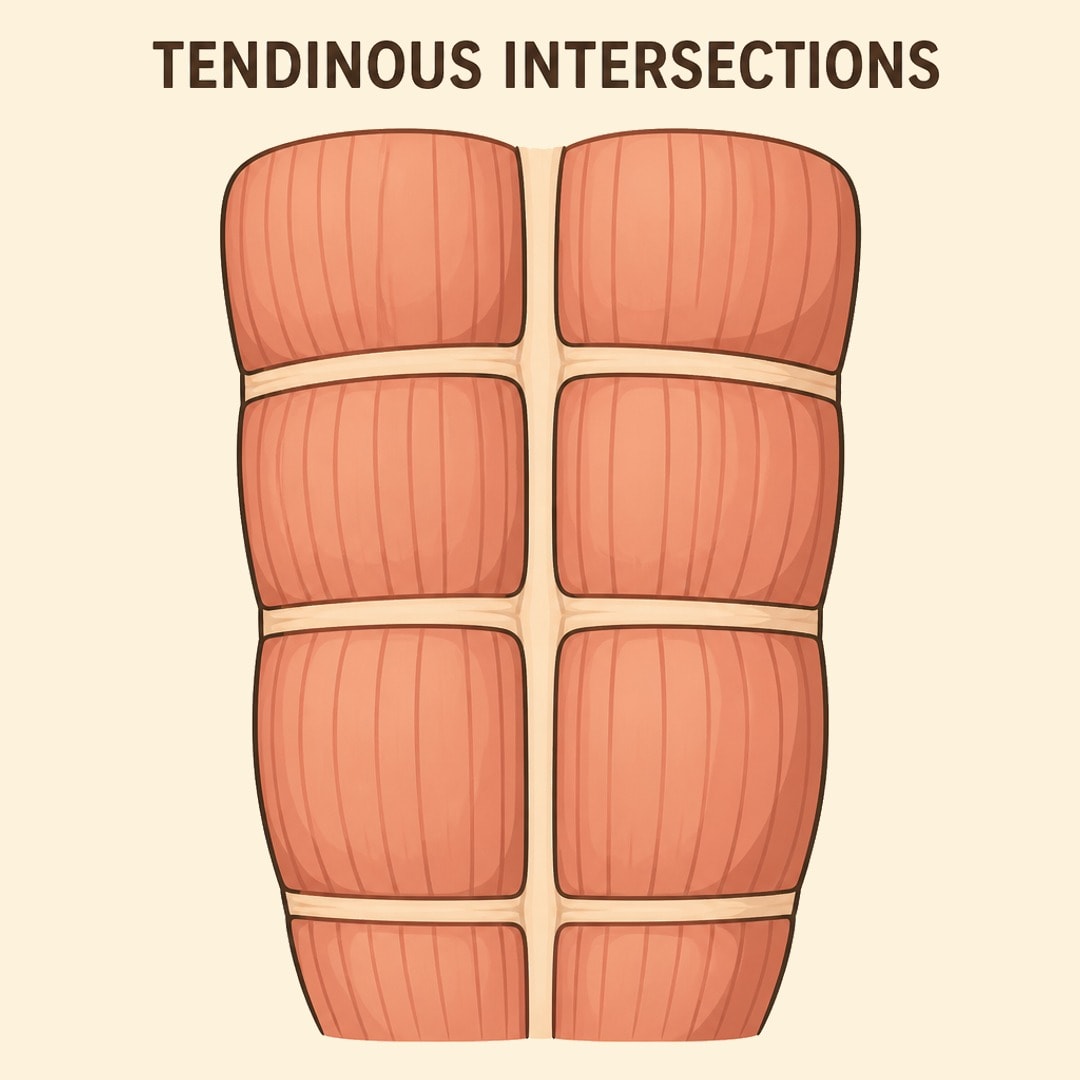
The star of this internal show is a long pair of muscles running vertically down your front, known scientifically as the rectus abdominis. If you could peel back the outer layers and look closely at this tissue, you would see that it is not just one smooth sheet. Instead, nature crosses it with horizontal bands of tough connective tissue called tendinous intersections. Running straight down the absolute center from top to bottom is another vertical strip called the linea alba, which acts like a seam dividing the left side from the right. Together, these intersecting horizontal bands and vertical seams press into the muscle tissue to create a natural grid pattern. This layout is the universal blueprint that forms the foundation of all abdominal definition.
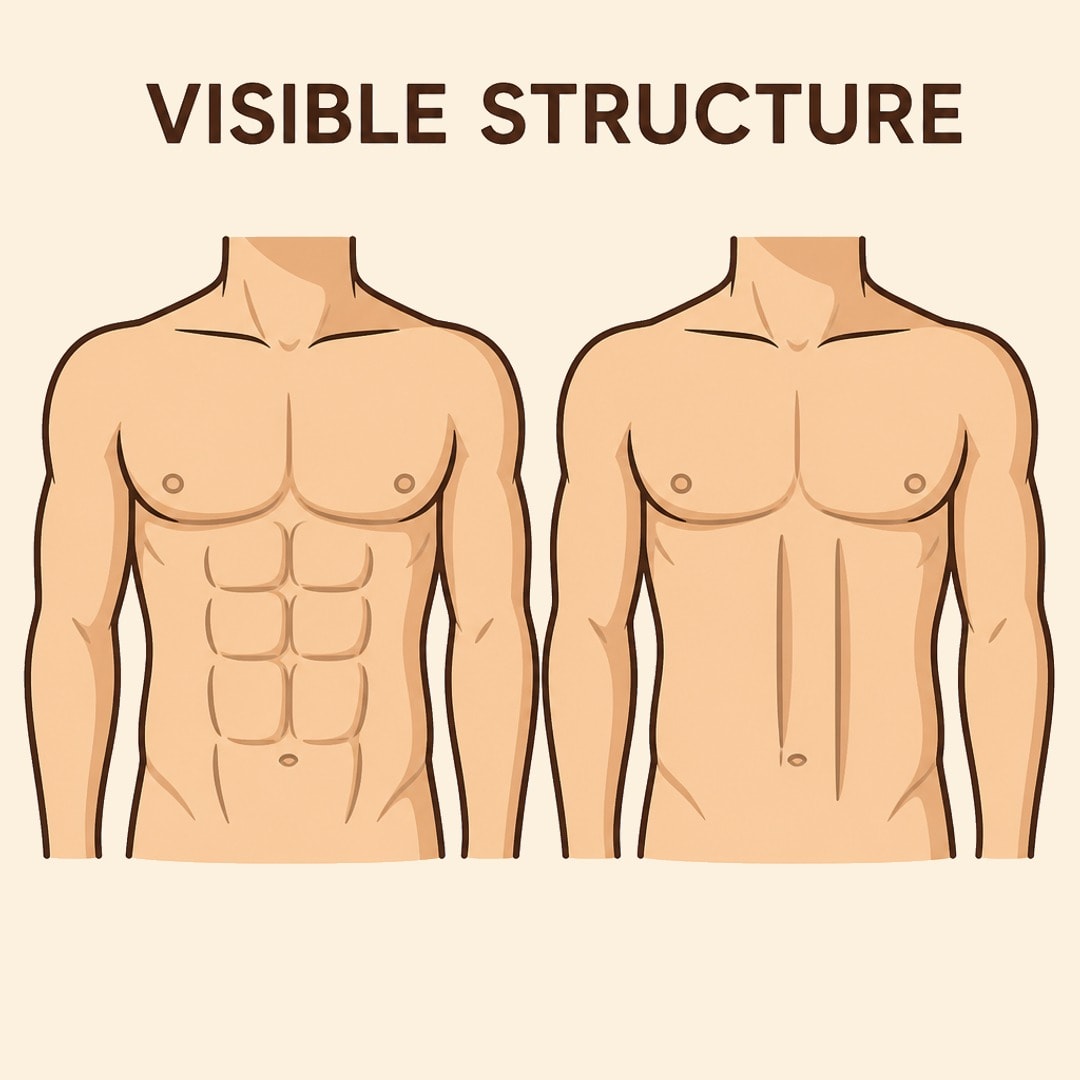
Whether someone ends up with a classic blocky six-pack or those sleek, parallel marks often called the number eleven lines, the underlying anatomy remains largely the same. These distinct shapes do not magically appear out of nowhere; they simply become visible to the naked eye when the layer of soft padding sitting right over the muscles gets thin enough. Think of it like a sculpted statue covered by a thick blanket. Until you pull that blanket down, the detailed shapes underneath stay hidden. The moment the covering layer thins out, the natural contours of the tissue begin to cast shadows against the skin, revealing the grid pattern that was there all along.
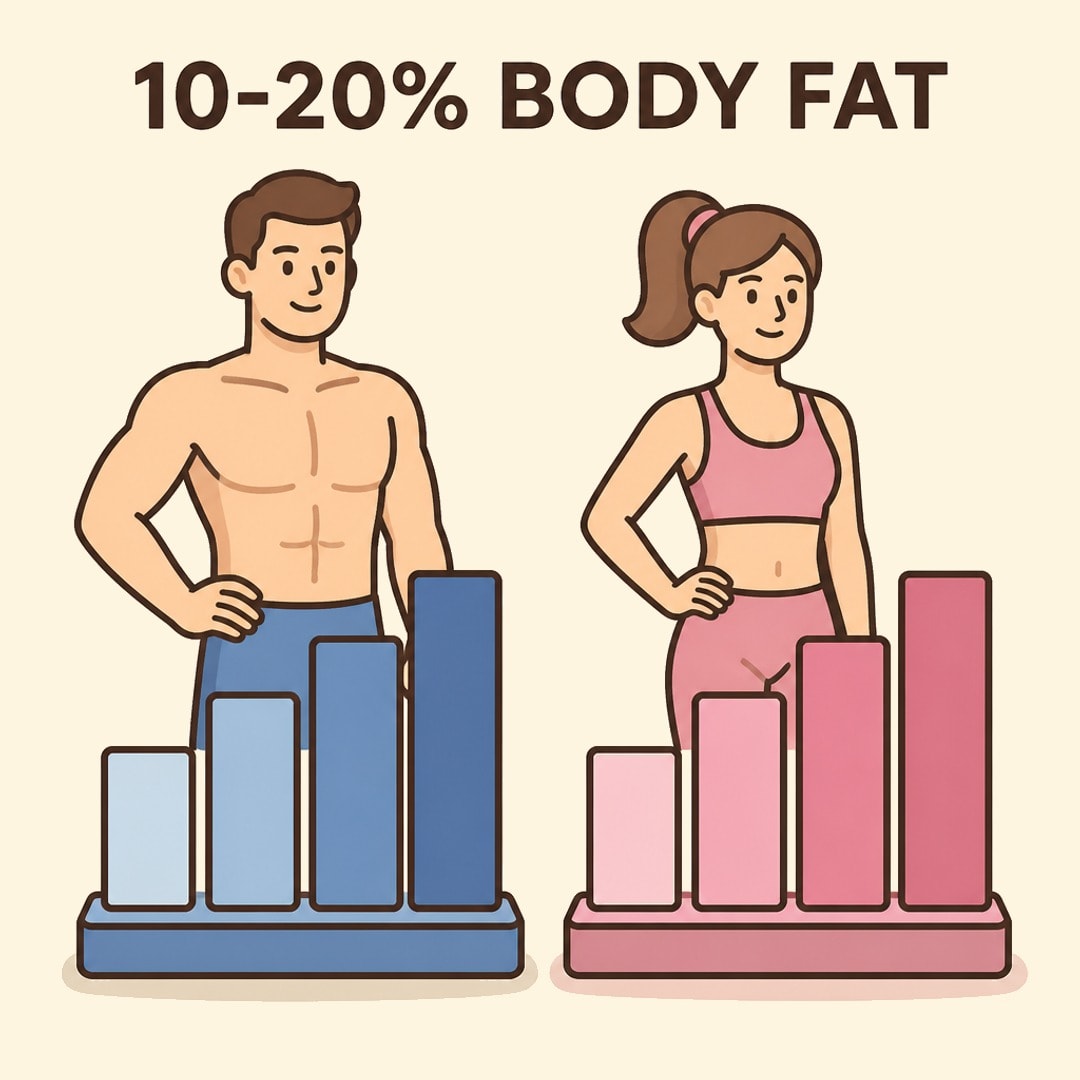
Because every single human body stores energy differently and has a unique genetic makeup, there is no single universal percentage of body fat that guarantees these shapes will pop into view. However, public health and fitness studies give us general ranges where these patterns typically start becoming visible. For men, this usually happens when total body fat drops down to roughly ten to twelve percent of their overall mass. For women, the appearance of these abdominal lines often becomes noticeable when body fat sits between sixteen and twenty percent. Reaching these specific ranges requires managing your daily energy balance so that your overall mass gradually shifts downward over time.
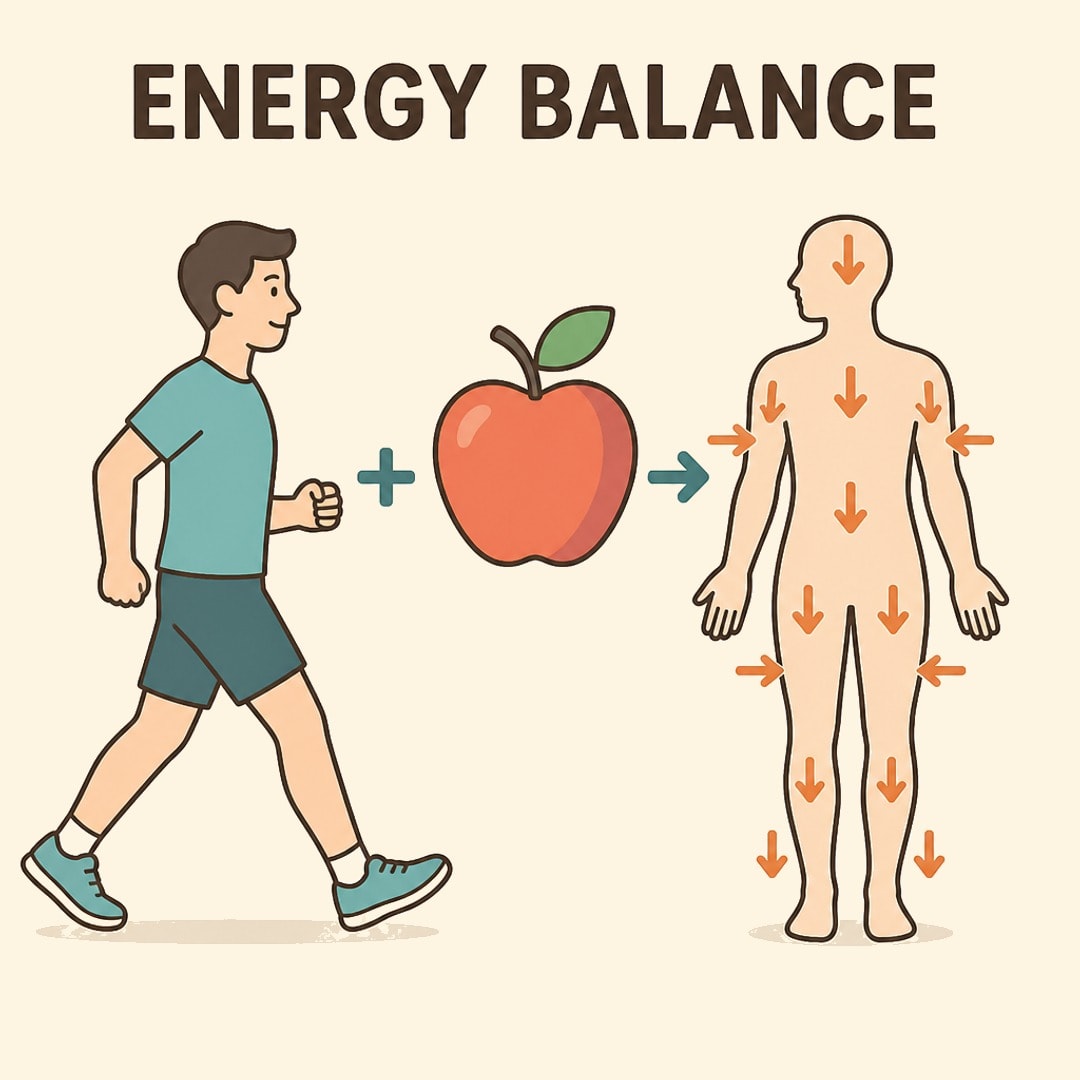
A very common trap that catches many people off guard is the persistent myth that you can burn fat specifically from your stomach through targeted abdominal exercises. Advertisements often promise quick fixes, claiming that doing hundreds of sit-ups will melt away belly fat while leaving the rest of your body untouched. Modern science tells us clearly that the human body simply does not work that way. When your body decides to pull stored energy to power your daily activities, it draws from a general reserve spread across your entire frame. You cannot choose which neighborhood of fat your body burns from first, meaning stomach fat only leaves as your total system-wide reserves decrease.
Even though targeted sit-ups cannot spot-reduce belly fat on their own, physical training still plays a vital and powerful role in the process. When you perform core-strengthening movements like holding a plank position or lifting your legs while hanging from a bar, you put working stress on those deep abdominal muscles. This effort causes the tissue fibers to adapt and grow slightly thicker, much like lifting heavy groceries builds stronger arm muscles. When those underlying blocks become thicker and more prominent, they push outward against the skin with greater force. This means that once your overall fat levels drop, a well-trained core will show through much more sharply than an untrained one.
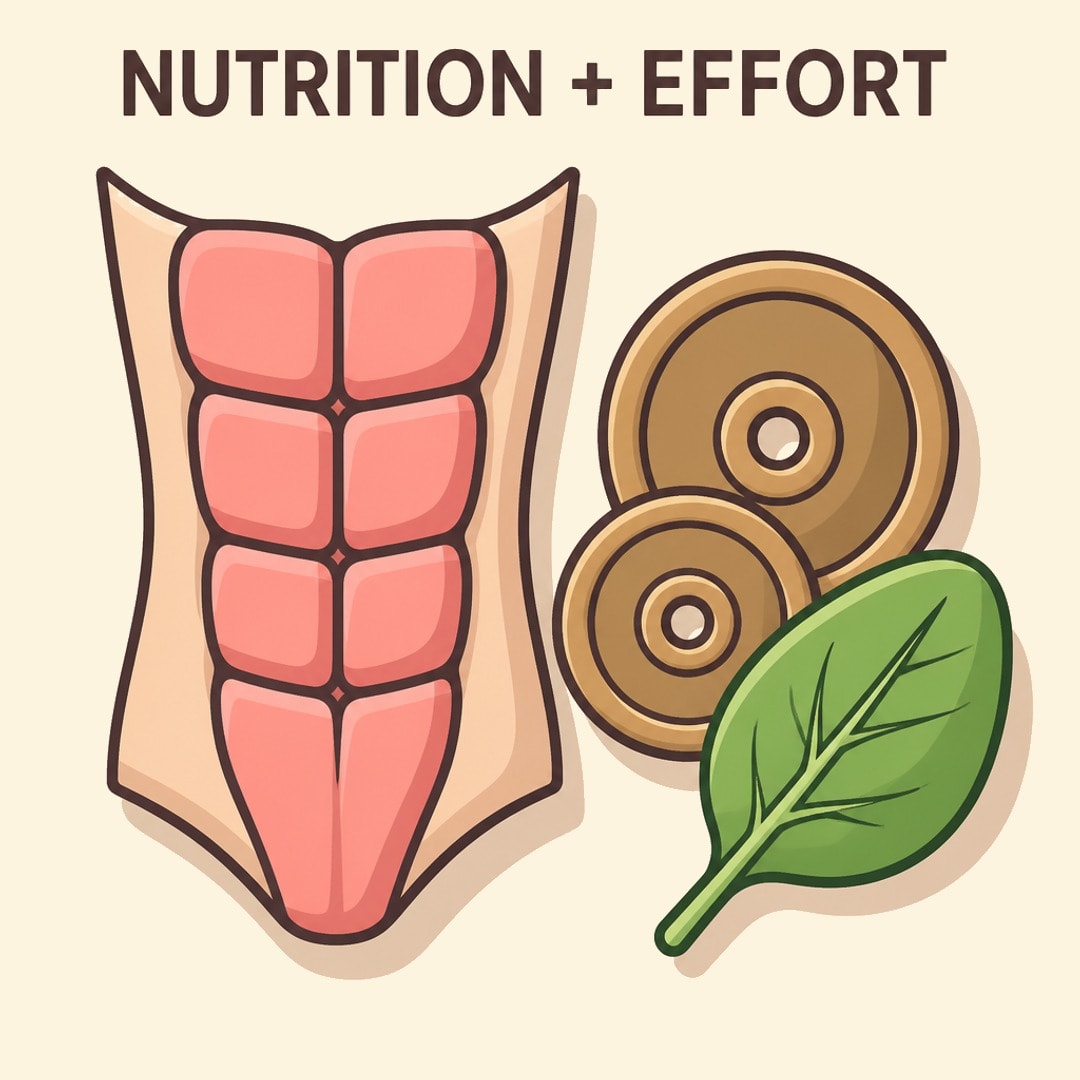
Building these defined lines is just as much about knowing when to stop and rest as it is about putting in grueling hours at the gym. Muscle tissue does not grow stronger while you are actively exercising it; instead, it repairs and builds itself during periods of rest and recovery. If you push your core to exhaustion every single day without a break, you deny your body the precious downtime it needs to rebuild those fibers stronger than before. Smart training combines consistent physical effort with proper nutrition and enough sleep to let the natural healing process work its magic. When you put all these pieces together properly, you realize you never needed to invent a new body at all. You were simply uncovering the amazing anatomy that has been waiting underneath the surface all along.