A Sixteen Billion Dollar Sweet Tooth: The Massive Economics of Doughnuts
Updated 7/30/2026
0 views
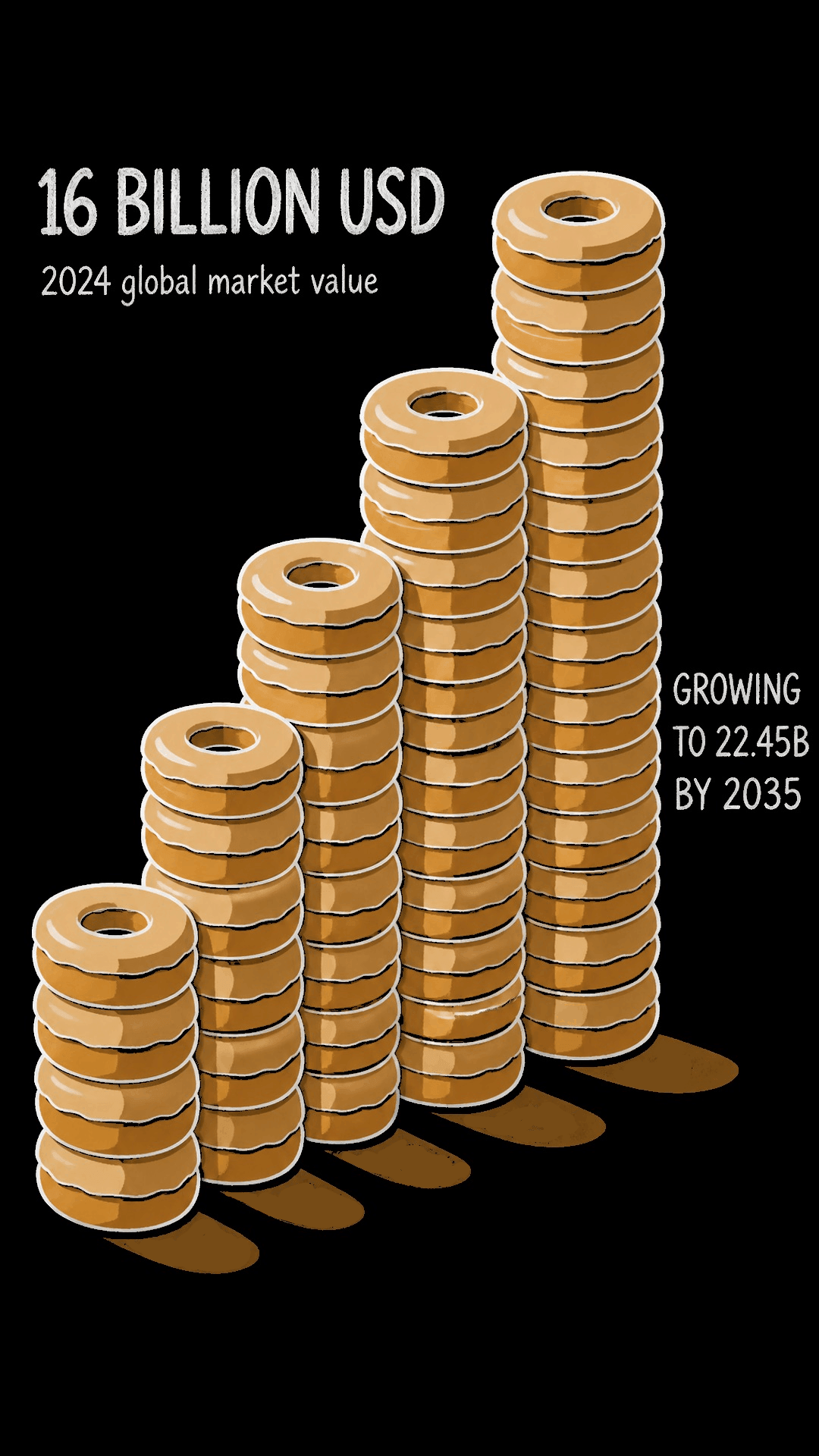
Doughnuts are much more than a quick morning snack picked up on the way to work. They are a massive, multi-billion dollar industry that reaches into almost every corner of the modern food market. Around the world, millions of people start their day with a fried ring of dough covered in sweet glaze or sprinkles. Behind this daily habit lies a complex global economic engine that keeps bakeries running and supply chains moving.
To understand the true scale of this sweet business, we have to look at the numbers. In the year 2024, the global doughnut market reached a value of approximately sixteen billion dollars. Industry experts predict that this number will continue to climb, scaling upward to over twenty-two billion dollars by the year 2035. This steady growth shows that consumer appetite for sweet treats is not slowing down, even as global eating habits shift over time. The business thrives on consistency, affordable luxury, and the deep emotional comfort that a warm pastry provides.
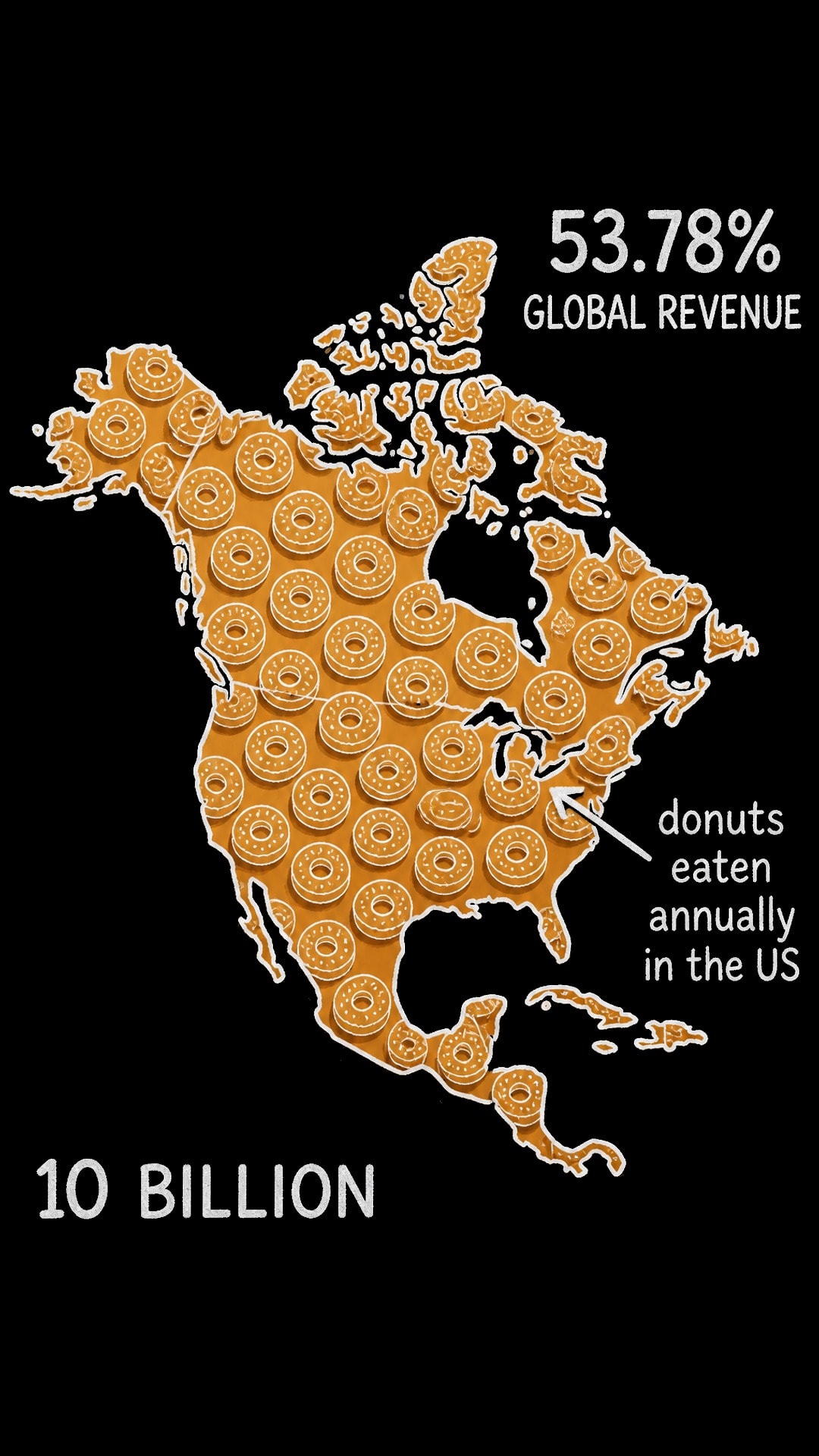
When it comes to regional dominance, North America stands far ahead of the rest of the world. The North American market accounts for more than half of all global revenue, bringing in over fifty-three percent of the total share. This massive financial engine is driven largely by the United States, where people consume an astonishing ten billion doughnuts every single year. This incredible volume is heavily supported by quick-service restaurant chains and the deep-rooted cultural tradition of pairing a morning pastry with a cup of coffee. Big name brands like Dunkin', Krispy Kreme, Tim Hortons, and Shipley Do-Nuts form the backbone of this routine, serving millions of customers every single day through drive-thrus and neighborhood storefronts.
While the big chains provide the everyday fuel for millions, the variety of products on the shelf is surprisingly diverse. There are two main ways these treats are made, and the method changes everything about the final texture and shelf life. Yeast doughnuts rely on a biological leavening agent that creates air bubbles inside the dough, resulting in a treat that is airy, light, and delicate. On the other hand, cake doughnuts use a batter-based structure mixed with chemical leavening agents like baking powder. This thicker batter gives cake doughnuts a denser, more crumbly texture that feels more like a traditional baked muffin. Because of this structure, cake doughnuts also enjoy a longer shelf life, making them easier to package and ship to grocery stores and convenience counters.

Despite the wide variety of recipes available, consumer preferences tend to lean toward comforting classics. Flavors like classic glazed, rich chocolate, smooth vanilla, and powdered varieties continue to lead consumer choices across almost every market. People love the familiar taste of a traditional ring covered in a thin, crackly sugar shell. However, the commercial landscape is far from static. Large corporate manufacturers like Entenmann's compete alongside specialized regional favorites like Voodoo Doughnut and Doughnut Plant, each pushing the boundaries of what a simple piece of fried dough can look like and taste like.
In recent years, the market has experienced a major wave of independent, artisan doughnut shops. These creative bakers are changing consumer expectations by focusing on premium ingredients that turn a humble breakfast food into a gourmet experience. Shoppers can now find pastries crafted with single-origin cocoas sourced from specific regions, hand-crafted glazes made from fresh fruit, and elaborate toppings that look like pieces of modern art. This gourmet surge proves that consumers are willing to pay more for higher quality, transforming a cheap breakfast snack into an upscale culinary experience.
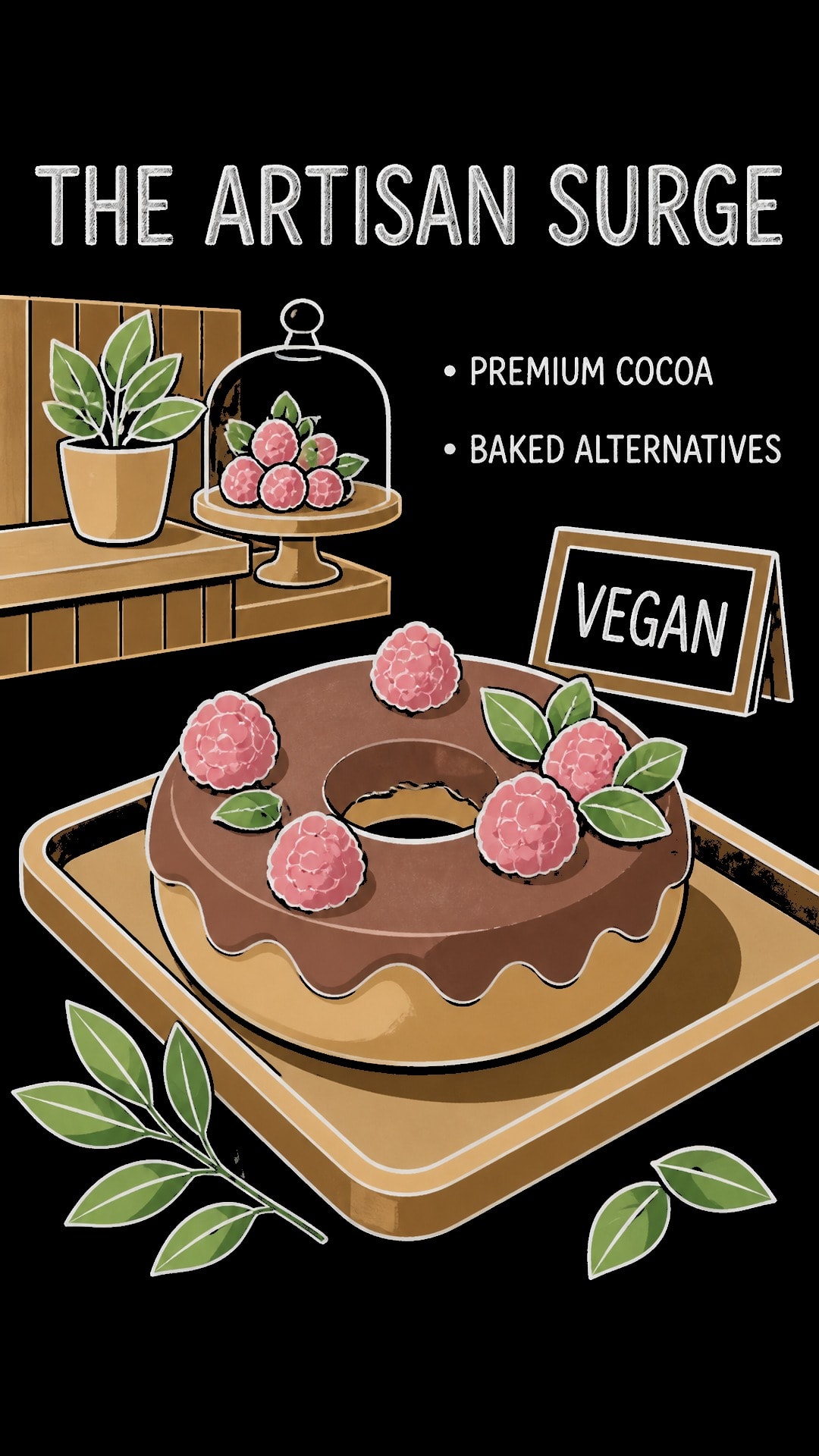
This shift toward premium quality sits right alongside a broader industry trend known as permissible indulgence. Driven by a desire for comfort food heritage paired with craft innovation, consumers increasingly treat themselves to high-quality bakery items in moderation. Instead of grabbing a cheap, mass-produced pastry out of pure habit, people are choosing to spend their calories on something genuinely special. They want an artisanal creation that feels worth the splurge, balancing the need for everyday comfort with a growing appreciation for fine craftsmanship in food.
At the same time, the modern food industry cannot ignore the massive push toward health and wellness. To combat high-sugar concerns and changing dietary habits, manufacturers are rolling out new alternatives designed for health-conscious shoppers. You can now find baked varieties that skip the frying process entirely, along with gluten-free options made from alternative flours, vegan recipes that avoid animal products, and organic ingredient choices. These adaptations allow people with specific dietary needs or wellness goals to still participate in the culture of sweet treats without breaking their personal rules.

Whether it is a simple old-school glazed ring or a modern craft creation loaded with gourmet toppings, the doughnut remains a fascinating fixture of modern food culture. It is a product shaped by massive corporate logistics on one side and creative artisan bakeries on the other. As consumer tastes continue to evolve, the industry adapts right along with them, balancing traditional favorites with new health-conscious options. This constant reinvention ensures that the global doughnut economy will remain a dominant force in the food world for decades to come.
Looking ahead, the tension between traditional comfort foods and modern wellness trends raises interesting questions for the future of baking. With the growing push toward healthier ingredients and alternative diets, one must wonder what role the classic fried pastry will play in tomorrow's world. Will the traditional recipe eventually become a rare luxury item enjoyed only on special occasions, or will it remain a staple of daily life? Only time will tell how the world balances its love for sweet indulgence with the demands of a healthier future.