How Medusa Transformed From a Terrifying Monster Into a Modern Icon
Updated 7/30/2026
0 views
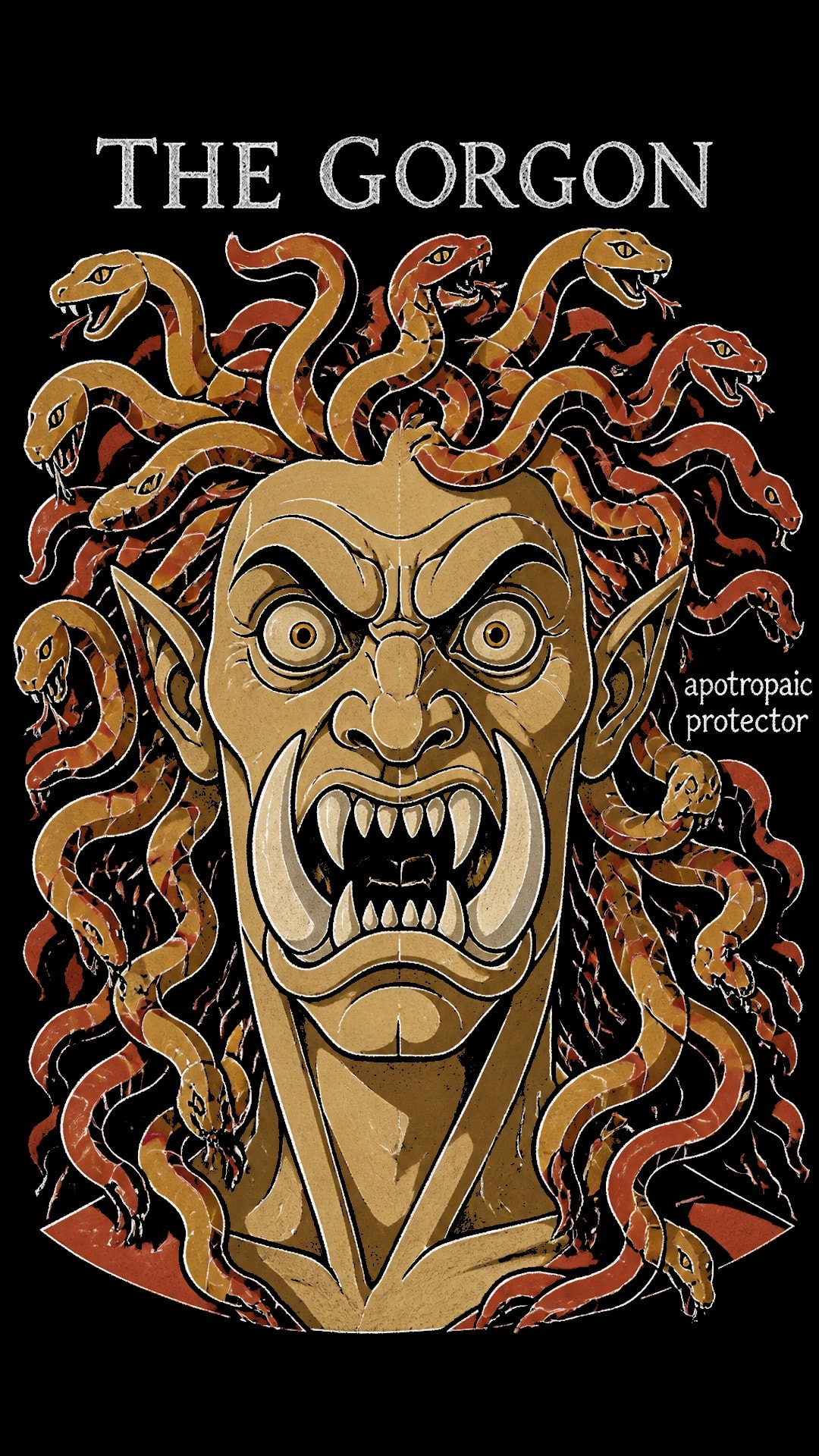
Long before she became a figure of modern art and cultural debate, Medusa lived in the imagination of the ancient world as a terrifying creature of pure nightmare. In the earliest Greek stories, she was one of the Gorgons, a family of sisters born to primordial sea deities who embodied the deep and dangerous mysteries of the ocean. Unlike her immortal siblings, Medusa was mortal, but she possessed features designed to strike fear into the hearts of anyone who looked upon her. Early Greek pottery and sculpture show her with wide, unblinking eyes, a distorted face, and sharp tusks that signaled her total otherness from human society.
Her image served a very practical purpose in ancient daily life. The severed head of Medusa, known as a gorgoneion, was carved into the surface of war shields, chest armor, and the entryways of important public buildings. People believed this fierce face possessed apotropaic powers, which means it acted like a magical shield to ward off evil spirits and deflect bad luck. When an ancient soldier marched into battle with Medusa's face painted on his armor, he was using her monstrous reputation as a weapon of defense. She was not a character with an inner emotional life or a tragic backstory in these early accounts. She was simply a formidable force of nature meant to frighten enemies away and protect what lay behind her.
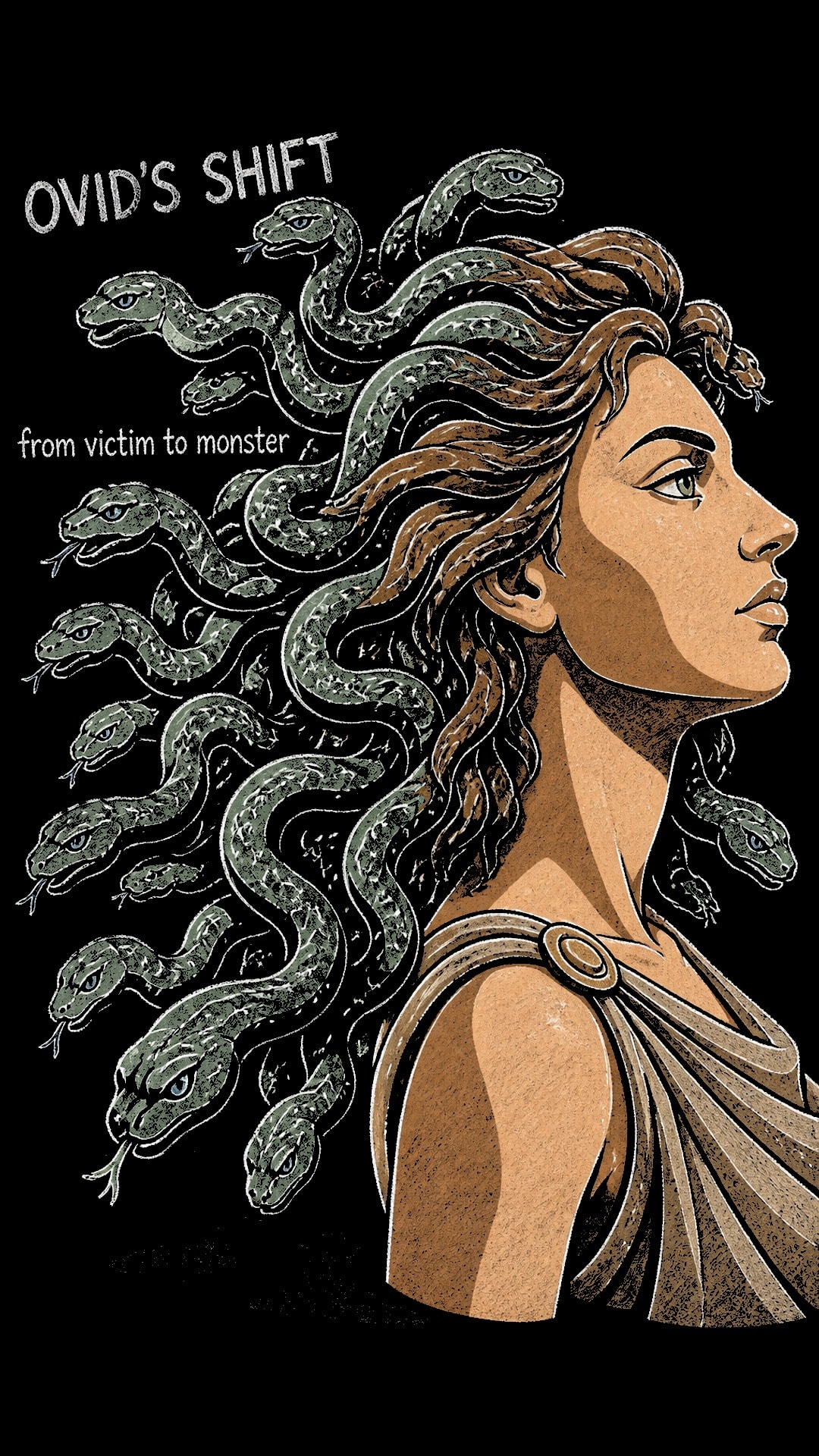
That ancient understanding of Medusa shifted dramatically in the year 8 CE, thanks to a Roman poet named Ovid. In his epic poem known as the Metamorphoses, which deals with themes of transformation, Ovid gave the world a completely different origin story for the creature. Instead of being born a monster, Medusa began her life as a beautiful human maiden whose appearance drew the attention of gods and mortals alike. According to this new version of the tale, she was assaulted inside a sacred temple dedicated to Minerva, a goddess of wisdom and warfare. Rather than finding protection or justice within the holy walls, Medusa faced divine punishment from the goddess for the violation that had occurred in her sanctuary. Minerva transformed the young woman by turning her hair into writhing serpents and cursing her with a gaze so lethal that a single look would instantly turn any living person into solid stone.
This crucial narrative shift changed how readers and thinkers engaged with the myth for centuries to come. By introducing a history of violation and unfair divine punishment, Ovid turned a flat, frightening creature into a figure of profound tragedy. Later generations reading his words began to see Medusa not as an unprovoked evil, but as someone caught helplessly in the power struggles of higher authorities. Her monstrous transformation became tied to vulnerability, raising uncomfortable questions about who holds power in a society and who gets blamed when harm takes place within sacred or protected spaces.
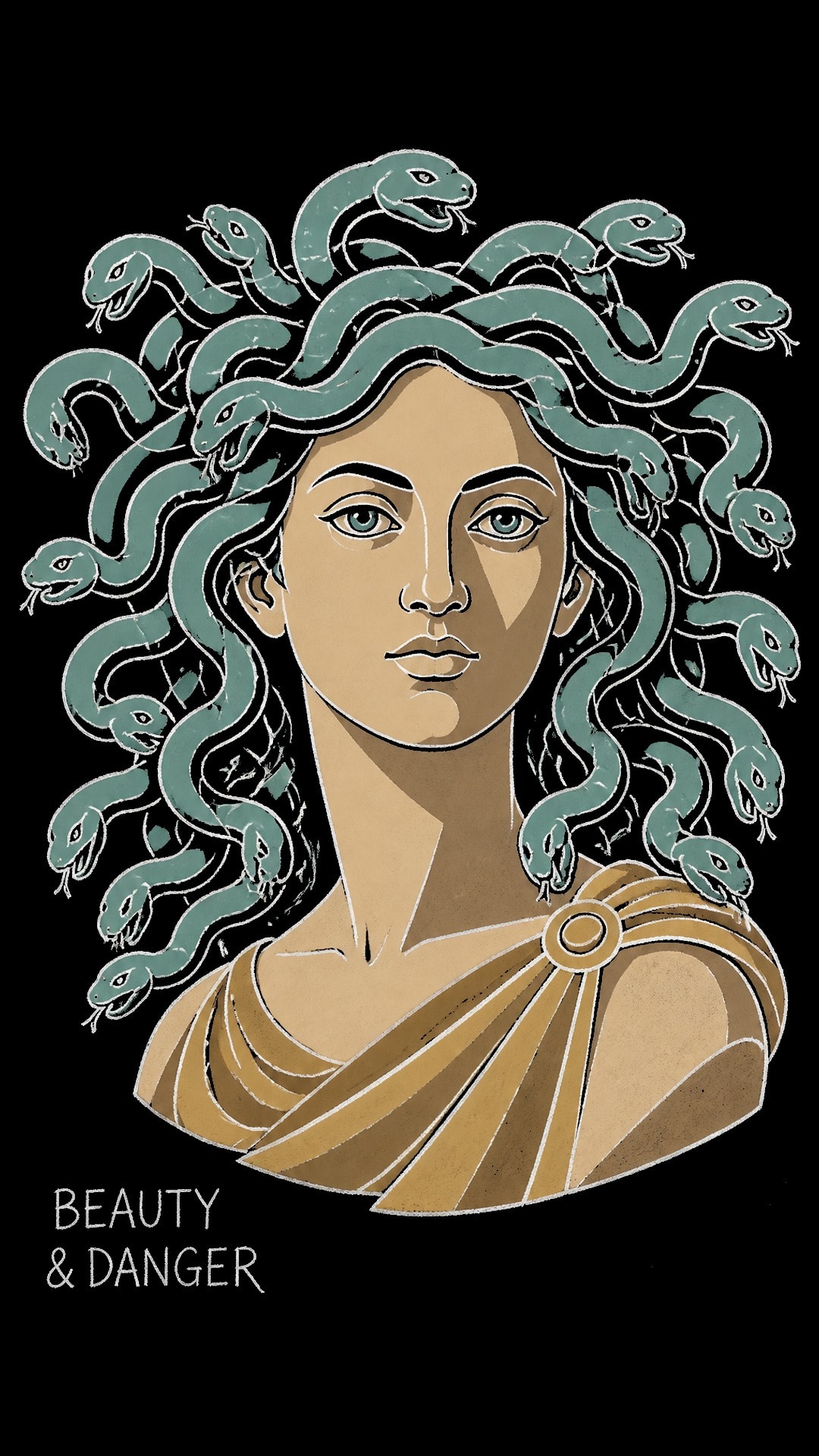
As centuries passed and European art entered the Renaissance and Baroque periods, painters and sculptors became obsessed with the dramatic climax of Medusa's story. Artists loved to capture the exact second when the hero Perseus confronted the sleeping Gorgon, raising his polished shield to look at her reflection and sever her head without meeting her petrifying gaze. These creative works often focused heavily on the striking intersection of beauty and sudden danger. Medusa was frequently portrayed as the ultimate femme fatale, a term used for a mysterious and alluring woman whose charm leads to destruction. In these artworks, she existed as a complex blend of victim and lethal threat, keeping her name visible and central in Western culture through breathtaking yet violent imagery.
This artistic fascination kept her story alive, but the underlying meaning of her character remained tied to the idea of a dangerous woman who had to be conquered by a male hero. For generations, the dominant cultural lens viewed her strictly through the actions of Perseus, framing her death as a necessary victory of order over chaos. Yet the rich details of her Ovidian backstory left the door wide open for future generations to look past the hero's journey and examine the perspective of the monster herself. When artists and thinkers began to re-examine classical myths through fresh eyes, they found a wealth of untapped emotional resonance hidden beneath the scales and serpents.
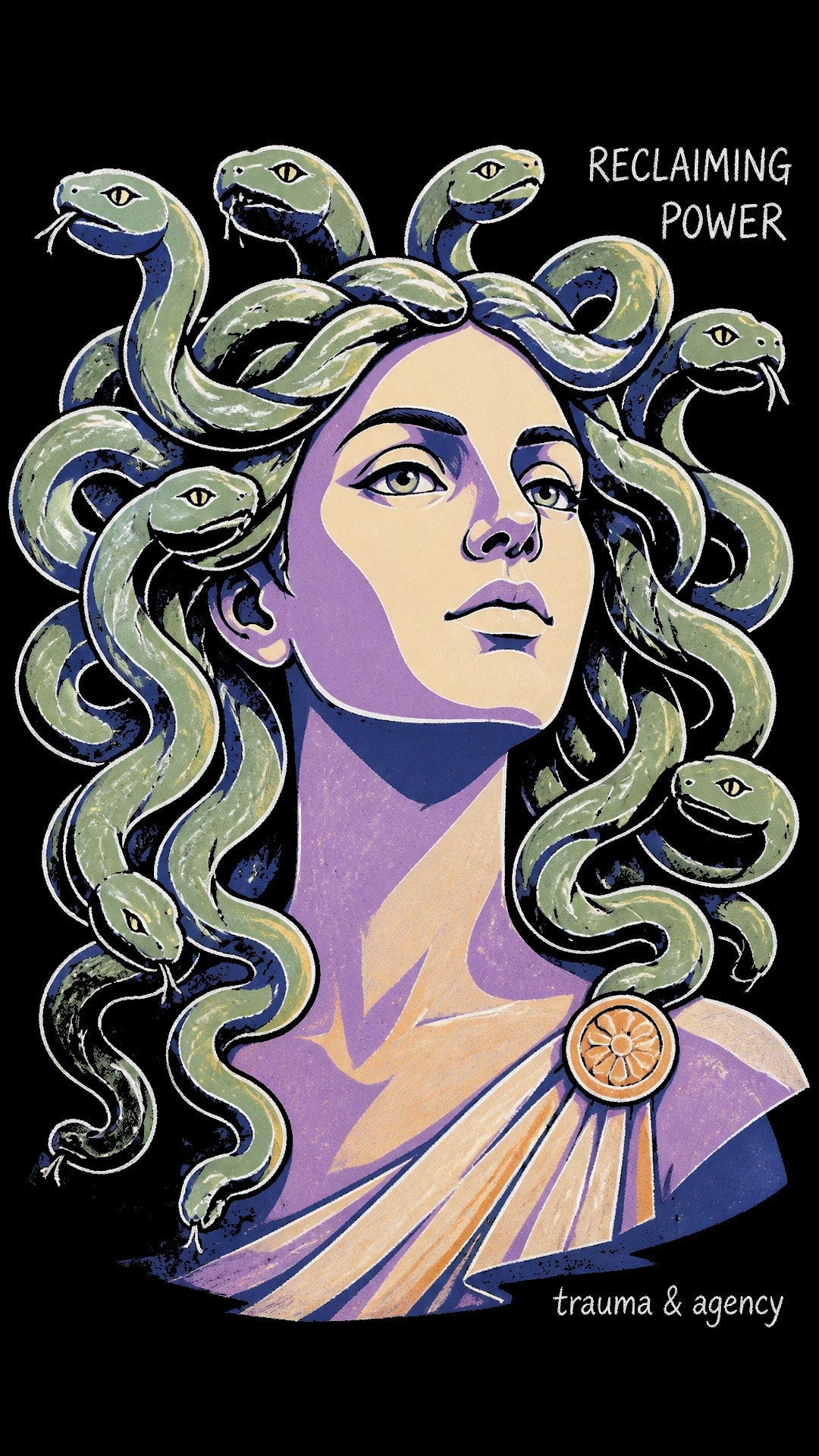
In recent decades, a powerful cultural movement has reclaimed Medusa entirely, reframing her not as a villain to be defeated, but as an enduring symbol of survival and female autonomy. Modern feminist criticism and artistic reinterpretation look at her serpentine hair and petrifying gaze through a completely different lens. Her ability to turn people to stone is no longer viewed simply as a malicious curse, but as a metaphor for the fierce, defensive boundaries a person must build around themselves after experiencing trauma. Her terrifying appearance becomes a protective armor, a way to keep harm at a distance in a world that has proven unsafe.
This contemporary perspective turns the traditional monster narrative upside down by centering the experience of the survivor rather than the triumph of the attacker. Artists, writers, and public figures now use her image to talk about the strength it takes to reclaim one's own life and voice after facing institutional injustice or personal harm. Commercial branding and high fashion have also adopted her face, though for a slightly different reason, transforming her into a recognizable icon of fierce authority, independence, and magnetic allure. Whether through bold visual art or political discourse, her modern presence signals a deliberate rejection of old stories that demand the submission of vulnerable people.
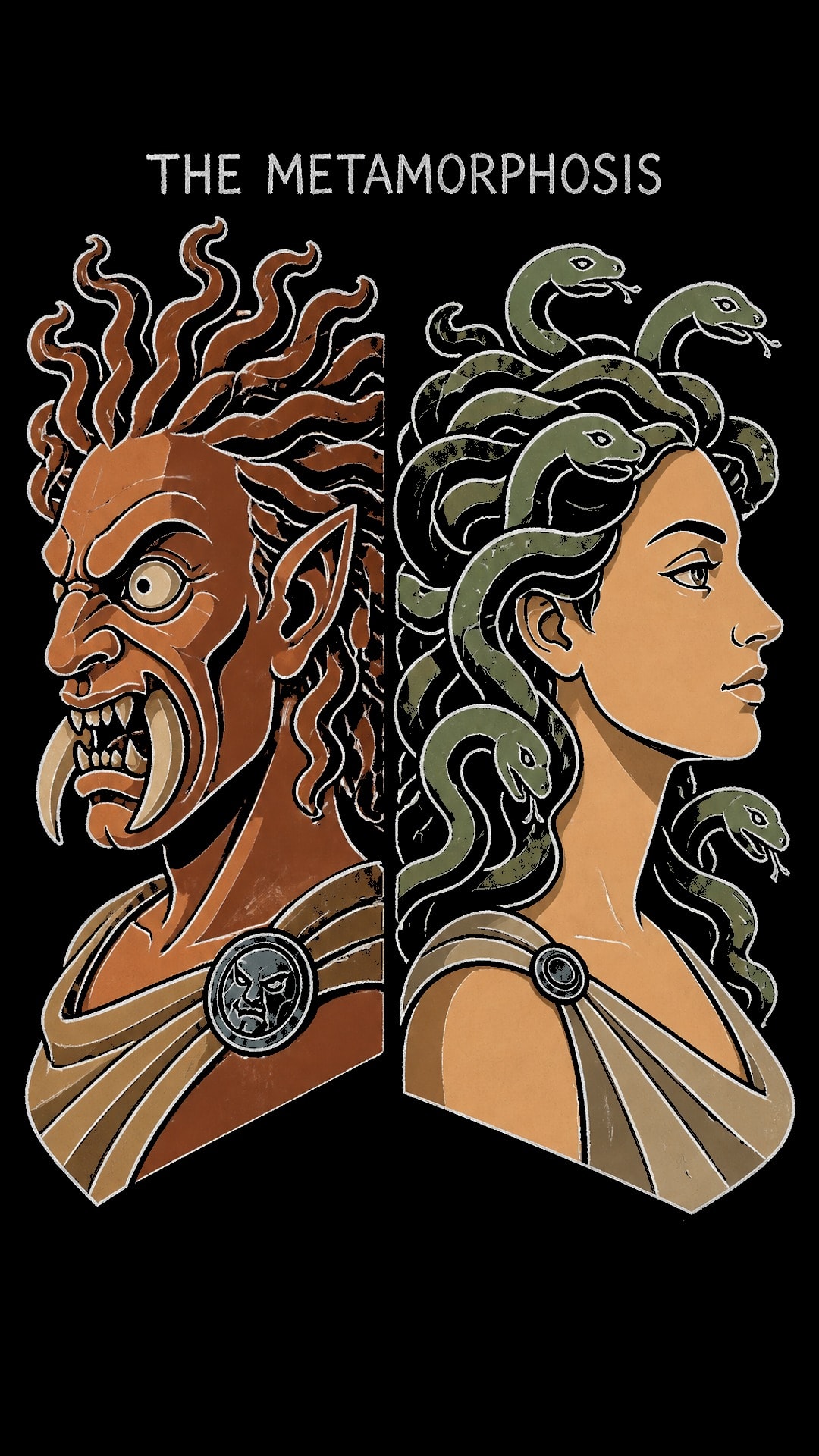
Medusa's incredible journey across three thousand years reveals how deeply human stories can adapt to meet the needs of each new era. She began as a simple guardian carved into ancient bronze to scare away bad luck, transitioned into a tragic victim of divine cruelty in classical poetry, and spent centuries as a dangerous artistic muse. Today, she stands as something far more powerful: an emblem of resilience that proves how cultural symbols can heal, change, and find new purpose. By shifting our view from the hero who slays the monster to the survivor who bears the scars, we have turned a face of pure fear into a beacon of enduring strength.