How the Walkie-Talkie Let Us Talk on the Move Without Cell Towers
Updated 8/4/2026
0 views
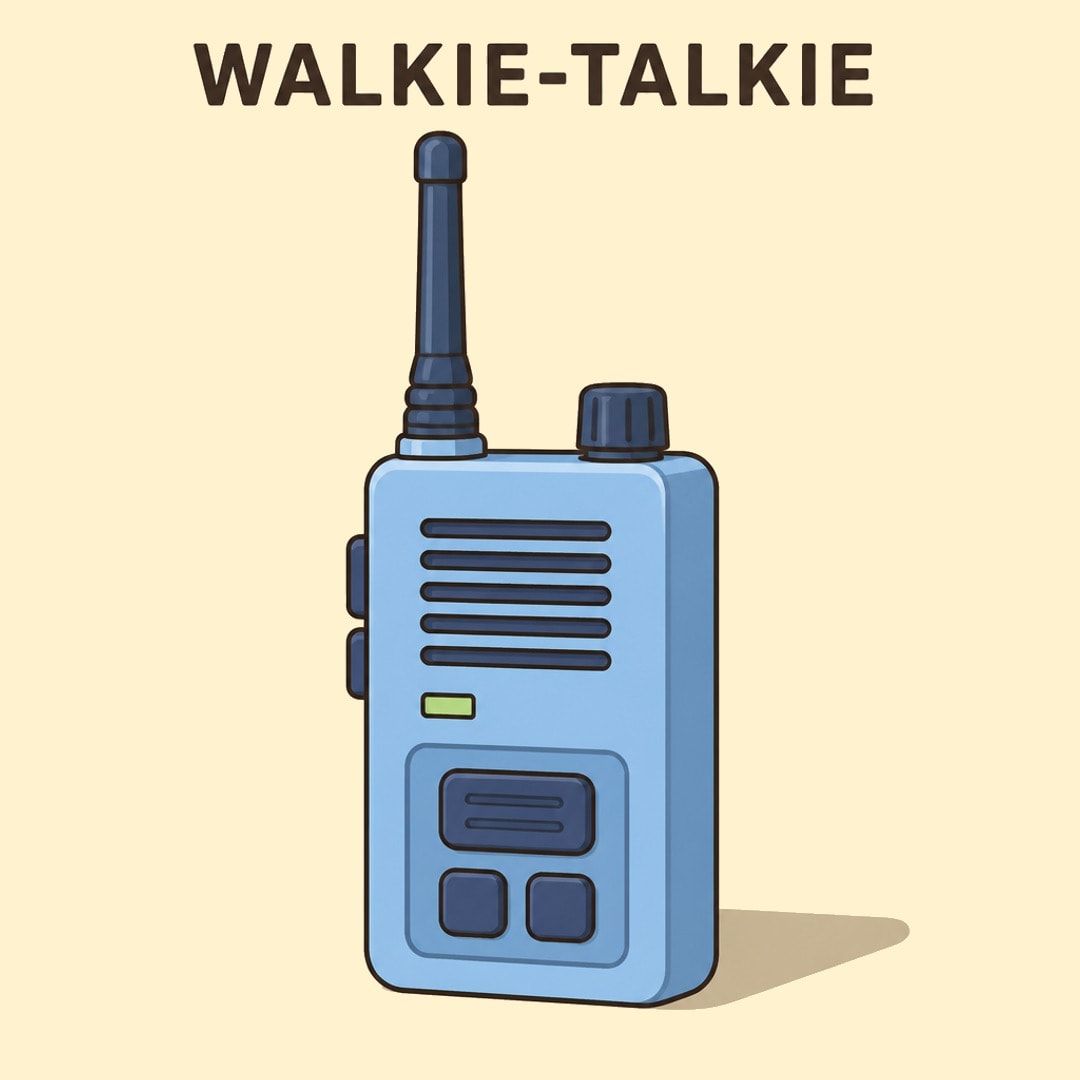
Before we had glowing screens and smartphones in every single pocket, there was a revolutionary way to chat while on the move. It is called a walkie-talkie, or a handheld radio, which is a two-way wireless communication device that uses invisible radio waves to send and receive sound. Long before modern mobile networks existed, this technology changed how people coordinate across distances without being tied to a desk or a telephone wire.
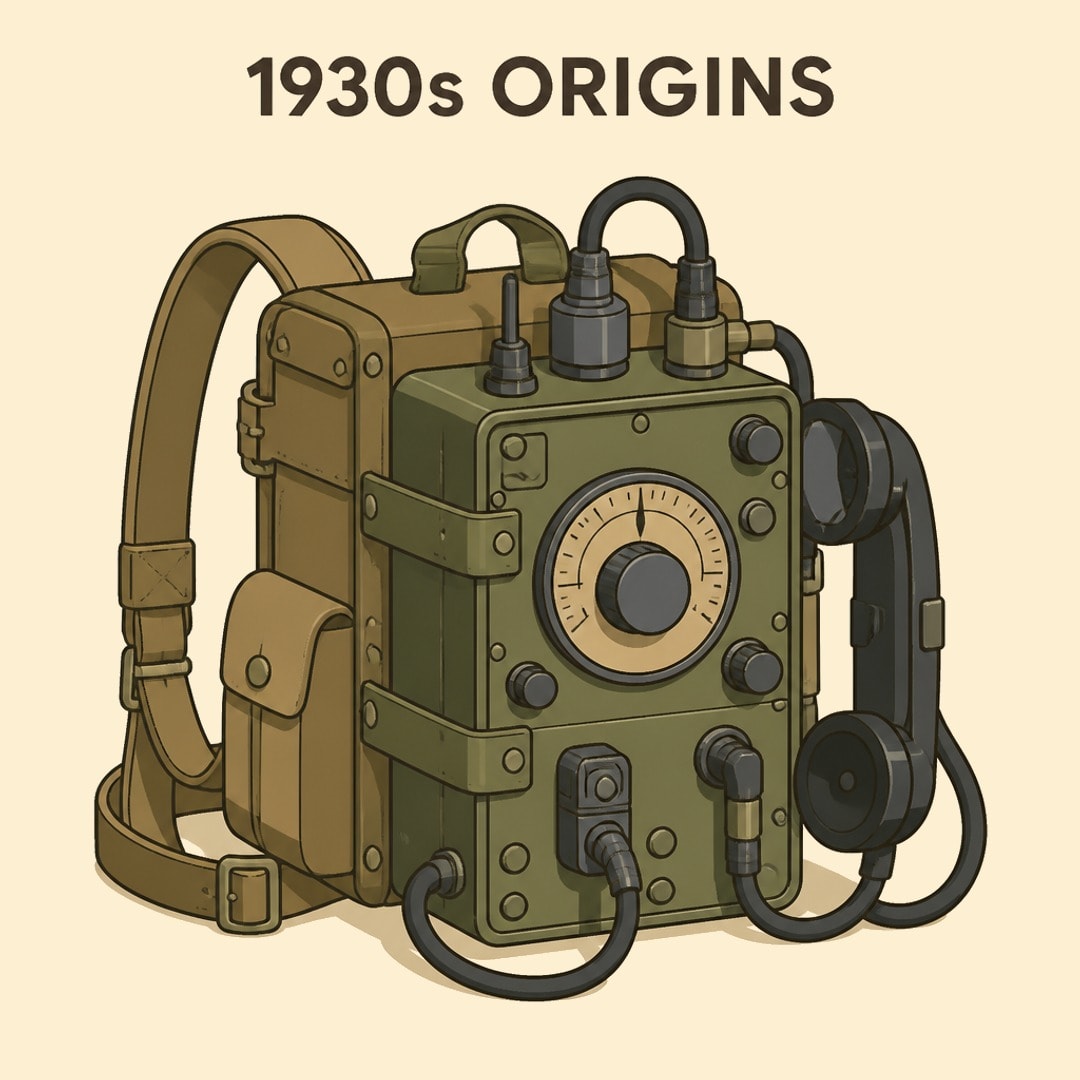
The creation of this portable system did not come from just one brilliant mind working alone in a workshop. Back in the late nineteen-thirties, forward-thinking inventors began experimenting with portable radio setups because they saw the urgent need for mobile communication. A researcher named Donald Hings built an early portable radio model known as a packset in nineteen thirty-seven, which laid much of the groundwork for future mobile radios. At around the same time, another inventor named Al Gross worked on similar portable radio technology, pushing the engineering limits of what pocket-sized or portable units could achieve. As global conflict broke out during World War Two, these tools quickly became essential gear for military operations where commanders needed to issue orders across chaotic battlefields instantly. News reporters and soldiers began using the catchy nickname walkie-talkie because the device finally allowed people to walk and talk at the same time, freeing them from heavy stationary broadcast stations that required a permanent physical home.
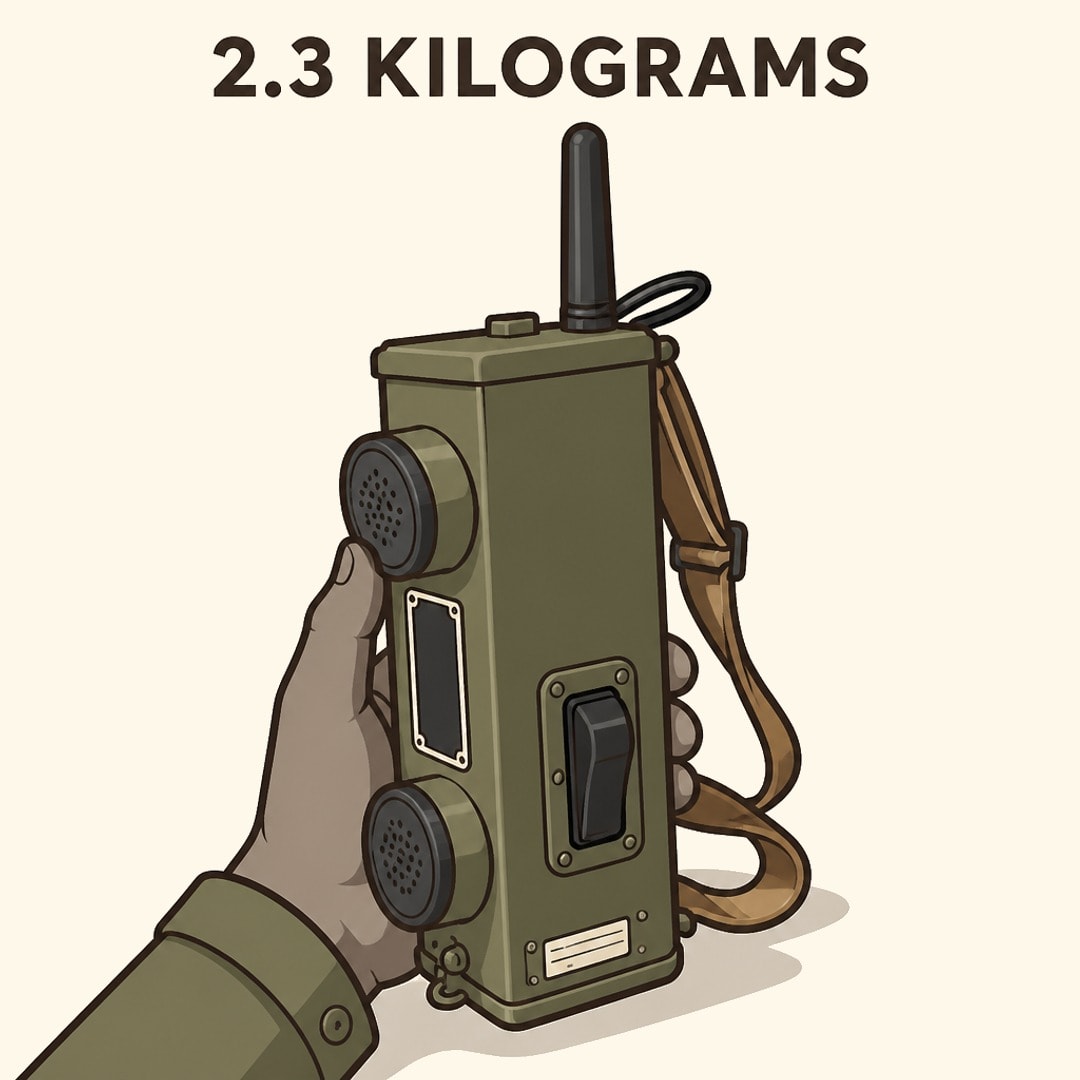
Early military radios looked and felt very different from the sleek plastic models we see in stores today. They were built for rugged field use under brutal conditions, which meant they had to carry heavy batteries and robust internal parts that could survive being dropped in mud or exposed to pouring rain. A famous military model from that era, known as the SCR-536, weighed over two kilograms, which is about five pounds of solid gear. Carrying a device that heavy on a long patrol requires real physical effort, especially when soldiers are already loaded down with heavy weapons, helmets, and rations. These wartime units proved that wireless voice communication was possible right in the palm of your hand, setting the stage for smaller and lighter consumer versions in the decades that followed.
The core operating principle of these devices relies on a clever setup called half-duplex communication, which is a fancy term for a very specific way of sharing a conversation channel. In this system, multiple devices can be tuned to the exact same frequency channel so that everyone tuned in can listen to the ongoing conversation at the same time. However, there is a strict rule built into the mechanics of half-duplex systems: only one person can transmit a voice message at any single moment. If two people try to broadcast at the exact same time on the same frequency, their radio waves clash together and create an unreadable mess of static noise.
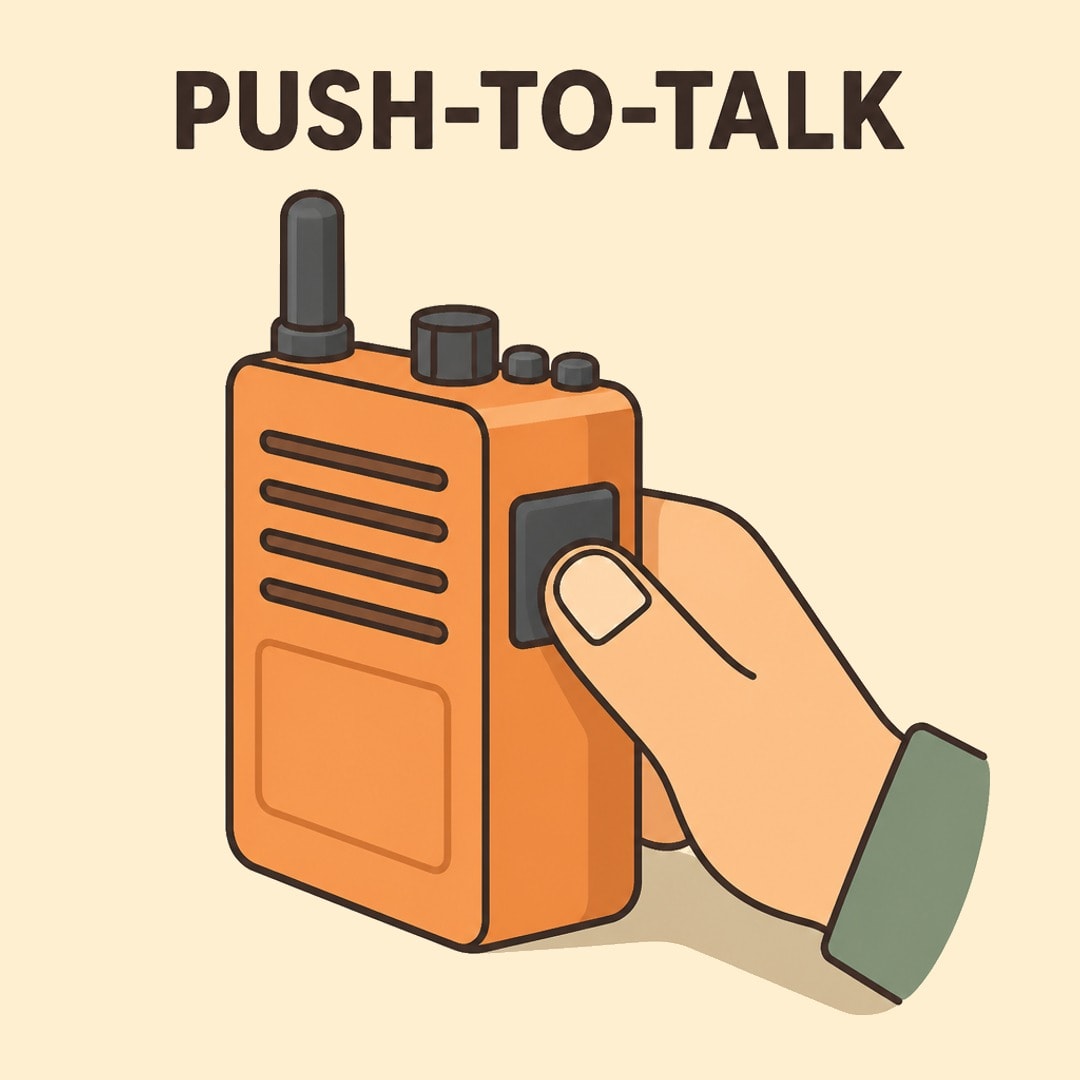
To solve this problem and help people take turns speaking politely, users rely on a specific control mechanism called a Push-to-Talk button. When you hold down this button, it physically switches the internal circuits of the radio from a passive listening mode into an active sending mode that broadcasts your voice outward. Releasing the button instantly returns the device to listening mode so you can hear the other person's reply without any delay. This simple turn-taking habit keeps group conversations orderly and clear, even when a dozen different people need to share urgent updates over the very same shared channel.
As technology marched forward through the decades, these portable radios underwent a massive transformation beneath the surface to keep up with modern demands. Early generations relied entirely on analog signals, which are continuous sound waves broadcast through the air using amplitude modulation or frequency modulation techniques that mimic the natural shape of your voice. While analog signals worked well for simple voice transmission, modern versions have shifted toward sophisticated digital systems that handle interference much better. These digital setups translate human speech into computer code made of ones and zeros before sending it through the air, allowing for clearer audio quality, better security against eavesdropping, and more efficient use of crowded radio channels.
Even in our modern age of high-speed internet and cellular networks that cover most cities, these trusty radios remain the absolute go-to choice for police officers, firefighters, and busy construction crews who cannot afford a dropped connection. Their biggest advantage is that they do not rely on local cell towers, internet routers, or complex telecommunication companies to stay connected. Because they communicate directly from device to device using short-range radio waves, they keep teams linked up even when severe weather knocks out the local power grid or remote wilderness trips take you far beyond the reach of any mobile phone signal.
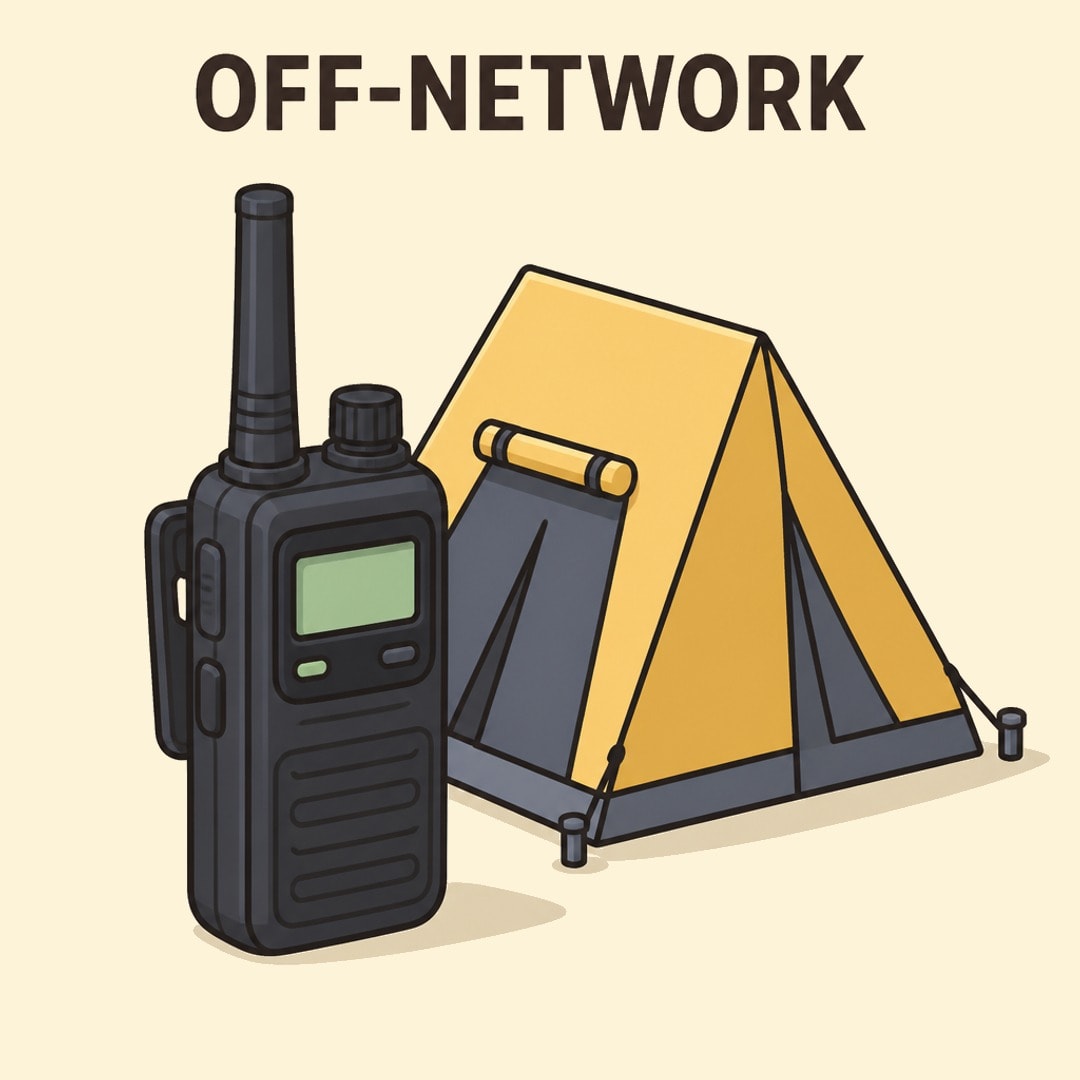
Whether you are coordinating a massive public event, managing a busy warehouse loading dock, or setting up camp deep in the forest with a group of friends, a handheld radio offers a direct lifeline that never lets you down when technology fails. It bridges the gap between old-school durability and modern utility, proving that sometimes the simplest tools are the ones that truly stand the test of time and remain useful no matter how much the world changes around them.