The Genetic Code That Makes Almost Every Calico Cat Female
Updated 8/3/2026
1 views
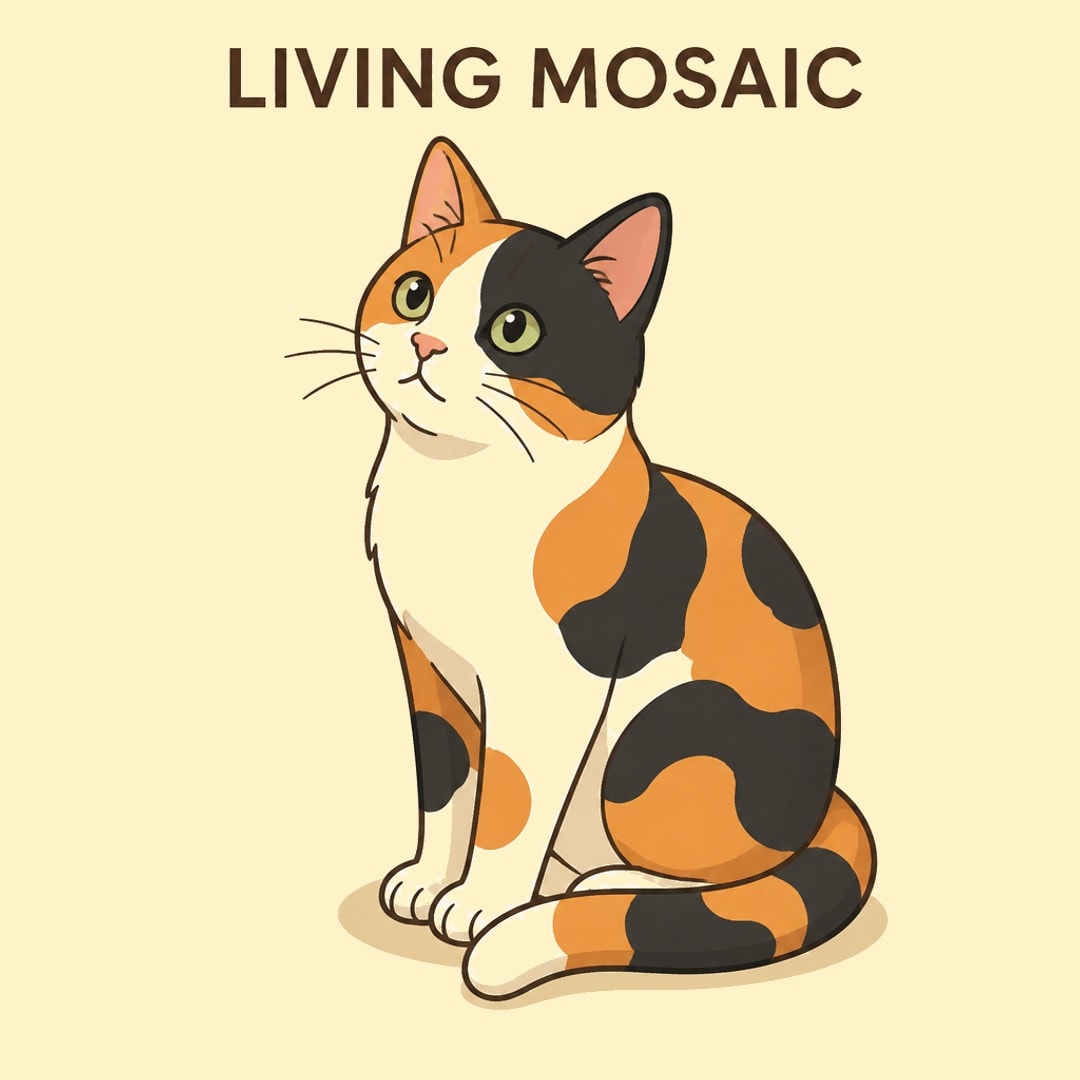
When you look at a calico cat with its striking patches of orange and black, you are looking at much more than a pretty coat. You are actually seeing a living map of a silent biological event happening inside every single cell of the animal's body. Most people assume fur colors are mixed smoothly, like paint on a palette. Instead, the distinct patches are a physical record of a microscopic game of chance played out when the cat was just a tiny cluster of cells. To solve this puzzle, we have to travel deep inside the microscopic world of chromosomes, where genetic instructions dictate every hair on a feline's body.
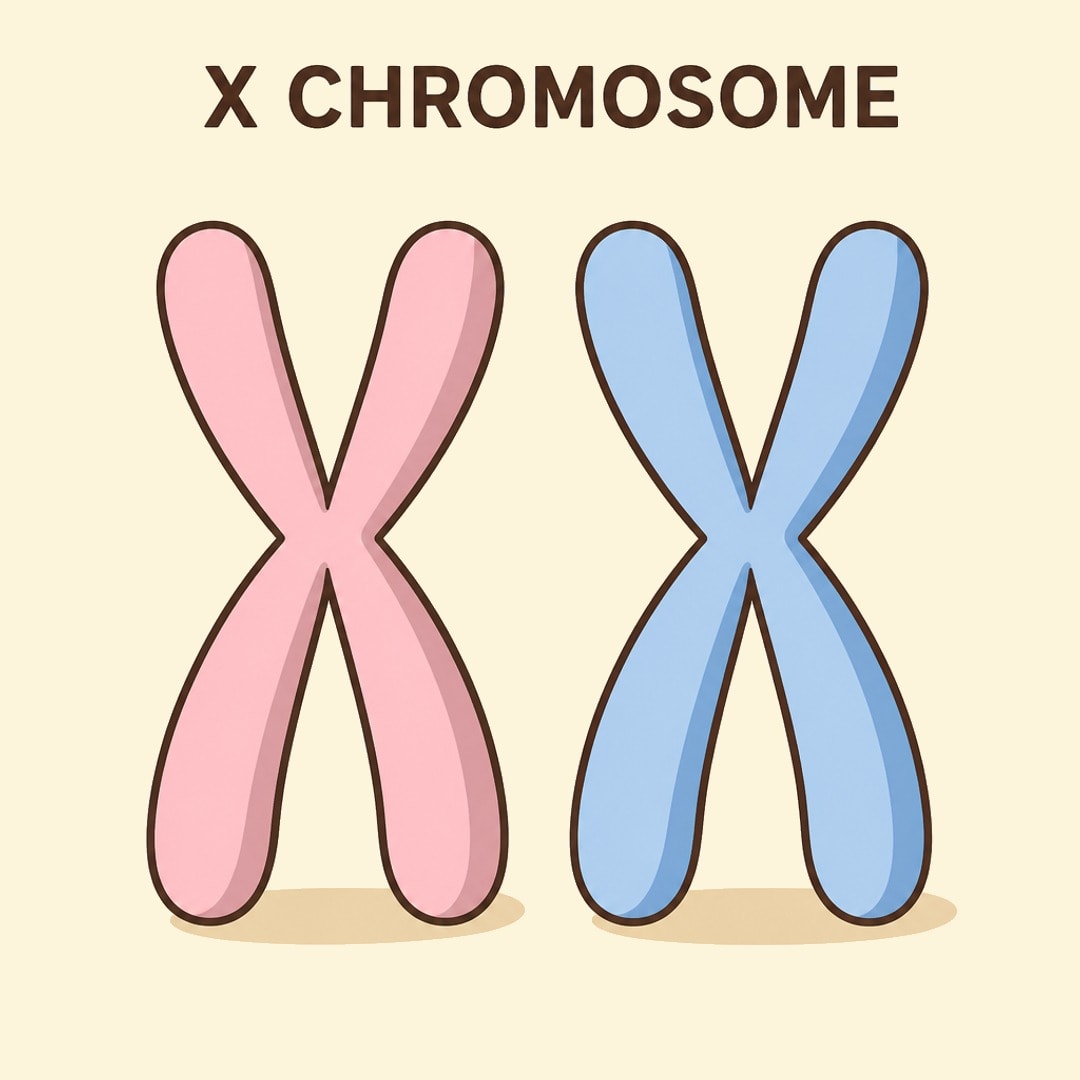
To understand why this happens, we have to look closely at the X chromosome, which is one of the structures that determines biological sex. Female cats carry two X chromosomes in their cells, while males carry one X chromosome and one Y chromosome. The specific instruction manual for fur color, meaning the gene that decides whether a hair turns out orange or black, sits right on that X chromosome. This sets up a fascinating biological situation. If an individual has two X chromosomes, they carry two different sets of instructions for coat color. One X chromosome might carry the code for bright orange fur, while the alternative X chromosome encodes black or non-orange tabby fur.
Having two X chromosomes creates a unique biological problem for the developing animal. If both X chromosomes stayed active at the same time, the cells would suffer from a toxic double dose of gene expression, meaning they would produce too many proteins and struggle to function properly. To fix this dangerous overload, female mammals undergo a clever balancing act early in development. Female embryos randomly switch off one of their two X chromosomes in every single cell. A scientist named Mary Lyon first described this mechanism, so researchers call the process Lyonization.
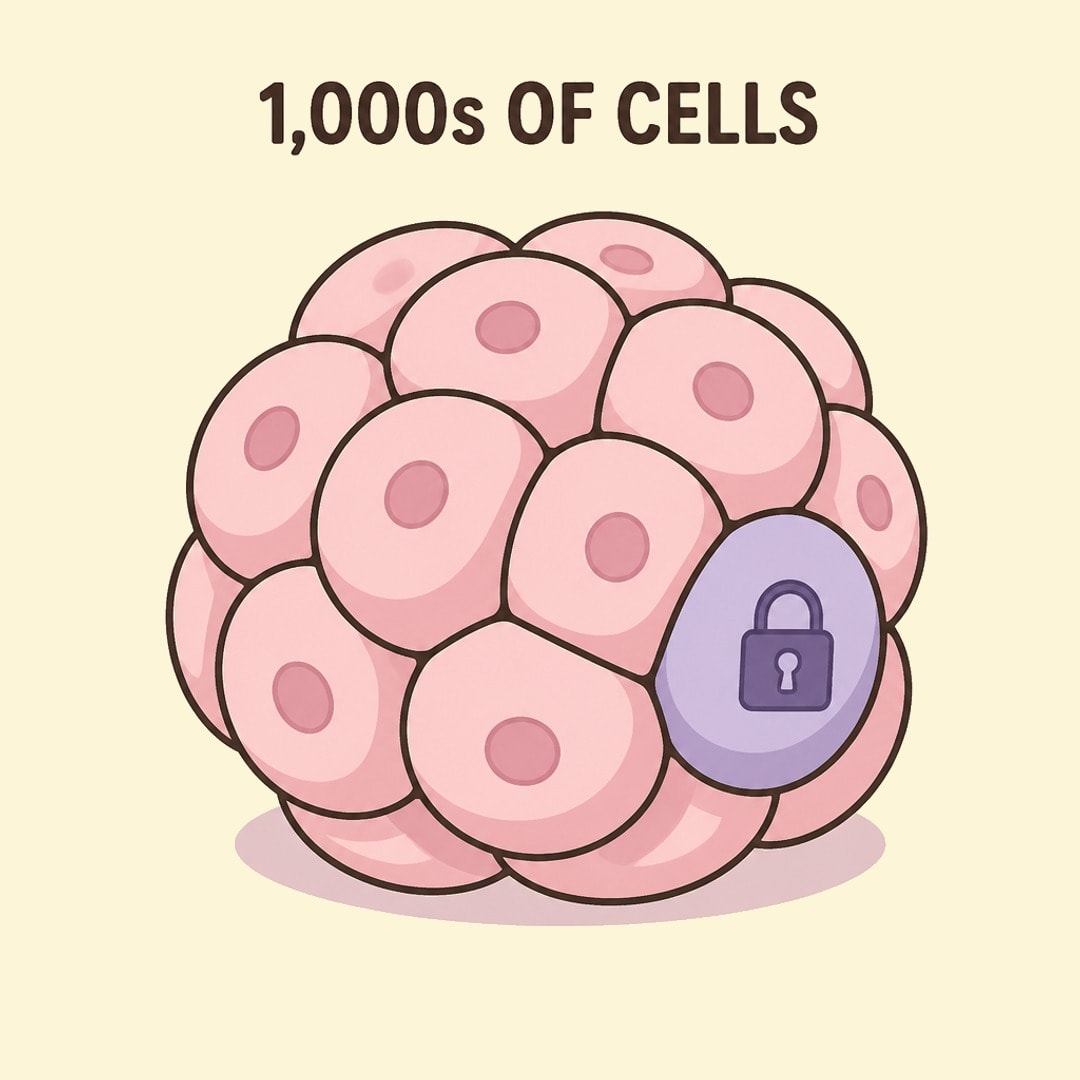
During this early stage, the extra X chromosome in each cell condenses into a tight, quiet little package known as a Barr body. It effectively goes to sleep and stays silent for the rest of the cat's life. This shutdown happens independently in every single cell, creating a microscopic patchwork quilt across the entire body. Once an individual embryonic cell picks which X chromosome to shut down, all of its future daughter cells follow suit and keep that exact same chromosome turned off as they divide and multiply.

This cell division process is what creates the famous patches of color on the animal's coat. As the embryo grows, groups of cells multiply together. If a patch of cells shuts down the chromosome carrying the black-fur instructions, those cells grow into an orange patch of fur. If an adjacent group of cells shuts down the orange-fur chromosome instead, it results in a patch of black fur. Meanwhile, the bright white patches you often see on calico cats are controlled by a totally separate, non-sex gene that operates independently to block pigmentation altogether in certain areas, adding a third color to the mosaic.
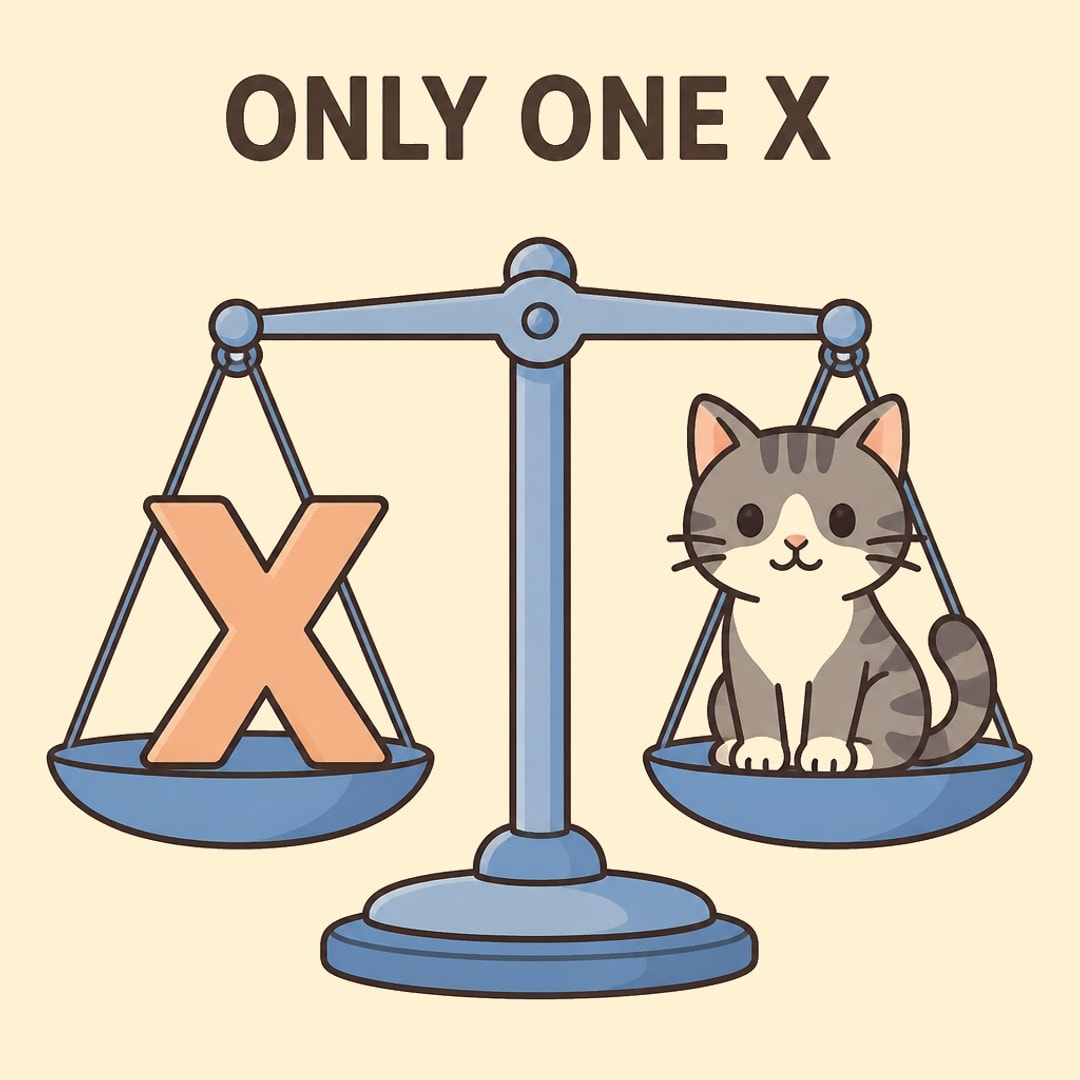
This whole system explains why standard male cats almost never wear a calico coat. Because typical males only have one X chromosome, they only receive one set of color instructions. They can be solid orange or solid black, but they generally cannot possess both colors at the same time because they lack a second X chromosome to undergo the inactivation dance. Without that second X chromosome, the fundamental mechanism that creates the mosaic pattern simply cannot happen.
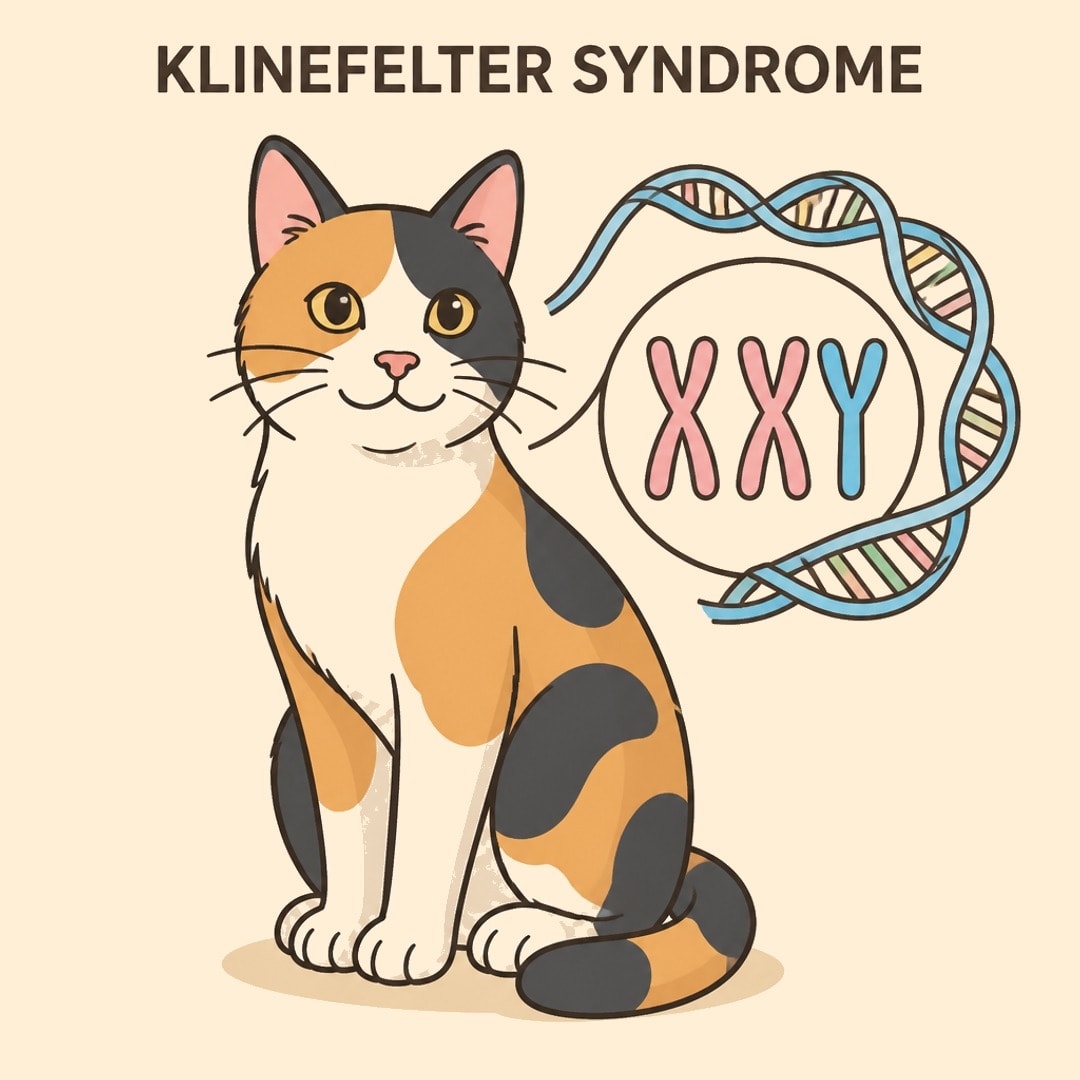
Yet, every now and then, a rare male calico does appear against the odds. These unusual cats occur at a rate of roughly one in every three thousand calico cats. When a male calico is born, it is usually because of a rare genetic anomaly called Klinefelter Syndrome, where the cat carries an extra X chromosome for a total of an $XXY$ configuration instead of the standard $XY$. That extra X chromosome gives the male cat the second copy it needs to undergo the same inactivation dance as females, though the chromosomal mix-up almost always leaves these rare males sterile.
So, that striking calico coat is really a visual record of a microscopic coin toss that took place before the cat was even born. Every patch of color tells the story of an ancient genetic compromise that keeps cells healthy while creating one of nature's most beautiful patterns. Since you now know that a cat needs two X chromosomes to create those distinct patches, you will never look at their tricolor fur the same way again.