Stretching the Shot: The Surprising World History of the Americano
Updated 8/3/2026
0 views

If you have ever stepped up to a coffee shop counter and ordered an Americano, you are essentially asking for an espresso that has been stretched out. At its core, this popular beverage is simply a concentrated shot of coffee diluted with hot water. The typical ratio used by baristas is about one part coffee to three or four parts water. This careful balance keeps the deep, complex flavors of the original bean extract while stripping away the overwhelming punch that comes straight from a traditional Italian machine. It offers a way to enjoy a larger mug of black coffee without sacrificing the distinct personality and aromatic oils of the original espresso grind.
The creation of this drink is rooted in the practical realities of daily life rather than a fancy culinary laboratory. When you look closely at how the drink behaves, the hot water acts as a solvent that expands the volume of the liquid, lowering the concentration of bitter compounds that naturally extract during a high-pressure espresso pull. This means you get a larger volume of liquid to sip on over a longer period, mirroring the drip-brewed styles of coffee that many people grew up drinking, but with a completely different flavor profile and bean origin.
The story behind this beloved drink dates back to the days of World War II. American soldiers, often called G.I.s, were stationed across Europe and found themselves exploring local Italian cafes. The local espresso they encountered was far too intense, thick, and concentrated for palates that were accustomed to the milder, drip-brewed coffee back home. Italian espresso is brewed under immense pressure, forcing water through finely ground beans in just about thirty seconds to produce a tiny, potent ounce of liquid. To bridge this gap in taste, the soldiers began asking for hot water to be splashed into their cups to tame the strength.
This simple act of dilution transformed the heavy, concentrated shot into a larger, more approachable drink that reminded them of the comforts they left behind. The soldiers were not trying to invent a new gourmet trend; they were simply trying to make a foreign beverage fit their daily habits. Because the local cafes served espresso as the default standard, adding water became a quick and reliable way to adjust the strength on the spot. Over time, local baristas noticed this habit and began preparing the drink intentionally, establishing a bridge between two entirely different coffee cultures.
While the name reflects the American preference for a lighter cup, its linguistic history takes a slightly different turn in the mid-nineteen-fifties. Historical records, including entries in the Oxford English Dictionary, show that the phrase cafe americano first appeared as a Spanish term used in Central America to describe a weak or watered-down coffee. Over time, the name stuck and migrated into global coffee culture as the official title for an espresso stretched with hot water. It remains one of the cleanest drinks you can order because it involves no milk or foam at all. Without dairy to soften the blow, the beverage relies entirely on the quality of the bean to deliver a smooth and aromatic experience.

Because there is no milk, cream, or dairy fat involved, the chemical composition of the drink stays very simple. The water simply mingles with the existing water-soluble compounds, acids, and oils extracted from the coffee bean during the espresso pull. This absence of milk proteins means your palate experiences the raw, unfiltered acidity and roasting notes of the bean without any interference. It is a fantastic way for coffee roasters to showcase the distinct tasting notes of a specific single-origin bean, whether it features bright citrus notes or deep, chocolatey undertones, across a much larger drinking vessel.
Many people confuse an Americano with another similar black coffee drink known as a Long Black, but the difference comes down to the order of operations. A Long Black, which is popular in places like Australia and New Zealand, is made by pouring the espresso shot directly on top of a cup of hot water. This careful sequence preserves a delicate, golden layer of aromatic oils on top of the liquid known as crema. An Americano is typically made in the reverse order by pouring the hot water over the espresso, which often breaks up that frothy top layer and leads to a smoother, less textured finish.
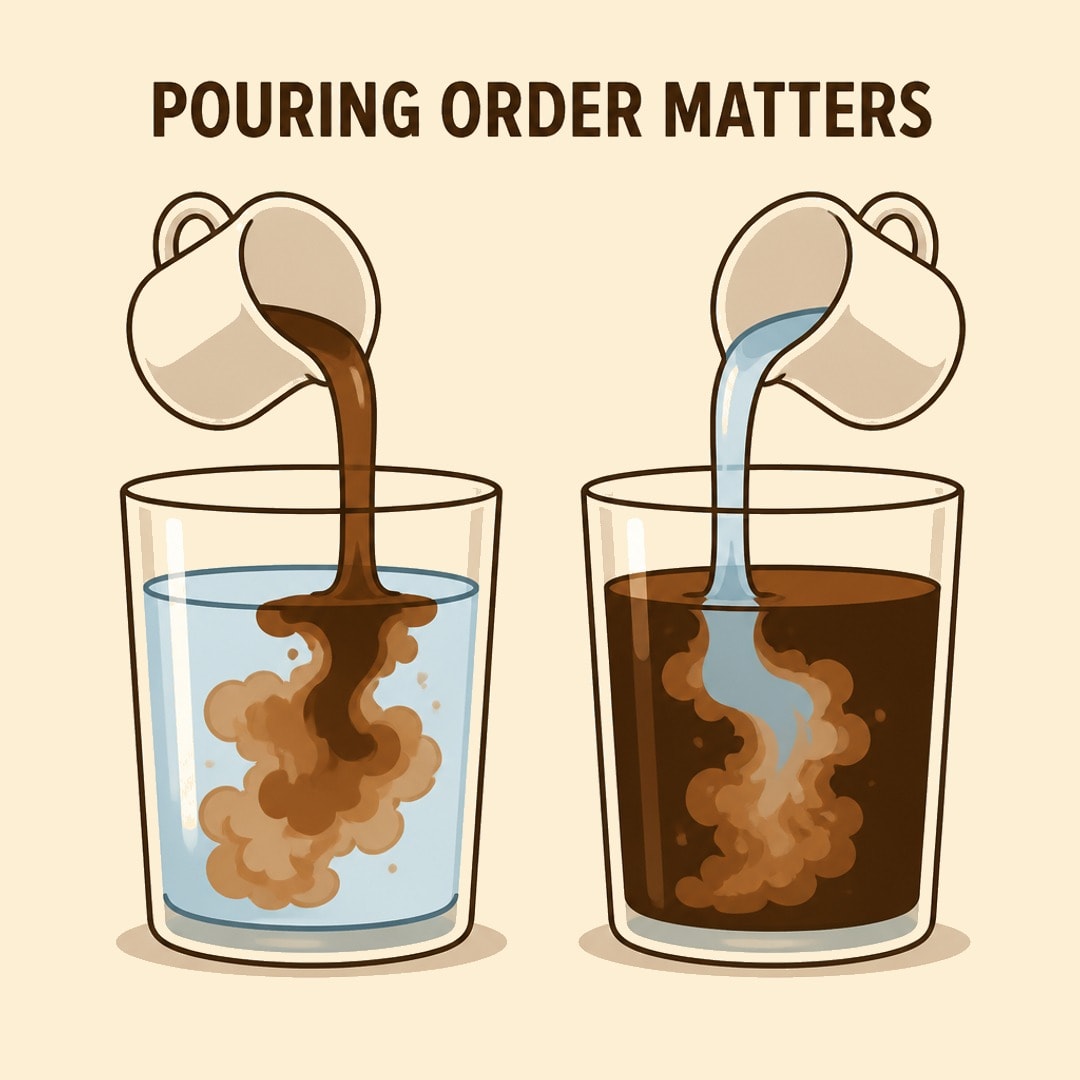
Understanding these subtle preparation steps changes the way you look at your morning mug. When you peer into a cup of coffee, that thin, golden foam on the surface tells a silent story about how the drink was constructed behind the counter. Crema is formed when carbon dioxide bubbles trapped inside fresh coffee grounds are emulsified by the high-pressure extraction process of an espresso machine. If the crema is thick and floating proudly on the top, hot water met the cup first, gently lifting the espresso oils. If the surface is smooth and uniform with very little foam, the water was likely added after the coffee, dissolving those delicate bubbles.
It is a tiny physical detail that reveals the precise technique used by the person who pulled the shot. The physical density of water versus the lighter emulsion of coffee oils dictates how these layers interact in the cup. When water is poured first, it creates a denser base that buoys the crema to the surface. When water is poured onto the espresso, the turbulence disrupts the fragile foam structure, dispersing the oils more evenly throughout the liquid. This mechanical difference alters not just the visual appearance of the drink, but also the initial aroma that hits your nose with every single sip.

The versatility of this drink extends far beyond a steaming hot mug on a chilly morning. You can easily order an iced version, which substitutes cold water and ice cubes for the hot water while keeping the same balanced ratio. When making an iced version, baristas often pour cold water over the ice first and then float the espresso on top, or mix the espresso with cold water before adding ice, depending on the desired visual effect and chilling speed. Because it contains no milk, cream, or added sugar, it remains a naturally low-calorie option for anyone wanting a pure caffeine boost without extra additives.
Whether you take it piping hot or chilled over ice, you are enjoying a thoughtful creation born from a simple desire to soften the bite of espresso while keeping its bold character intact. The total amount of caffeine in your cup depends almost entirely on how many espresso shots the barista used as a base, usually ranging from two shots for a standard size up to four shots for a large container. Next time you grab a cup, check the layers on top and appreciate the centuries of cultural exchange and physical science that brought that simple black coffee into your hands.
Ultimately, the enduring popularity of this drink proves that you do not need complicated syrups or heavy foams to make a great cup of coffee. By taking a bold Italian espresso and gently opening it up with water, coffee drinkers found a middle ground that satisfies both the need for a larger volume of liquid and the desire for complex, authentic bean flavors. It remains a timeless classic on cafe menus worldwide.