Inside Earth's Restless Core: How Volcanoes Work and Wake Up
Updated 8/4/2026
0 views
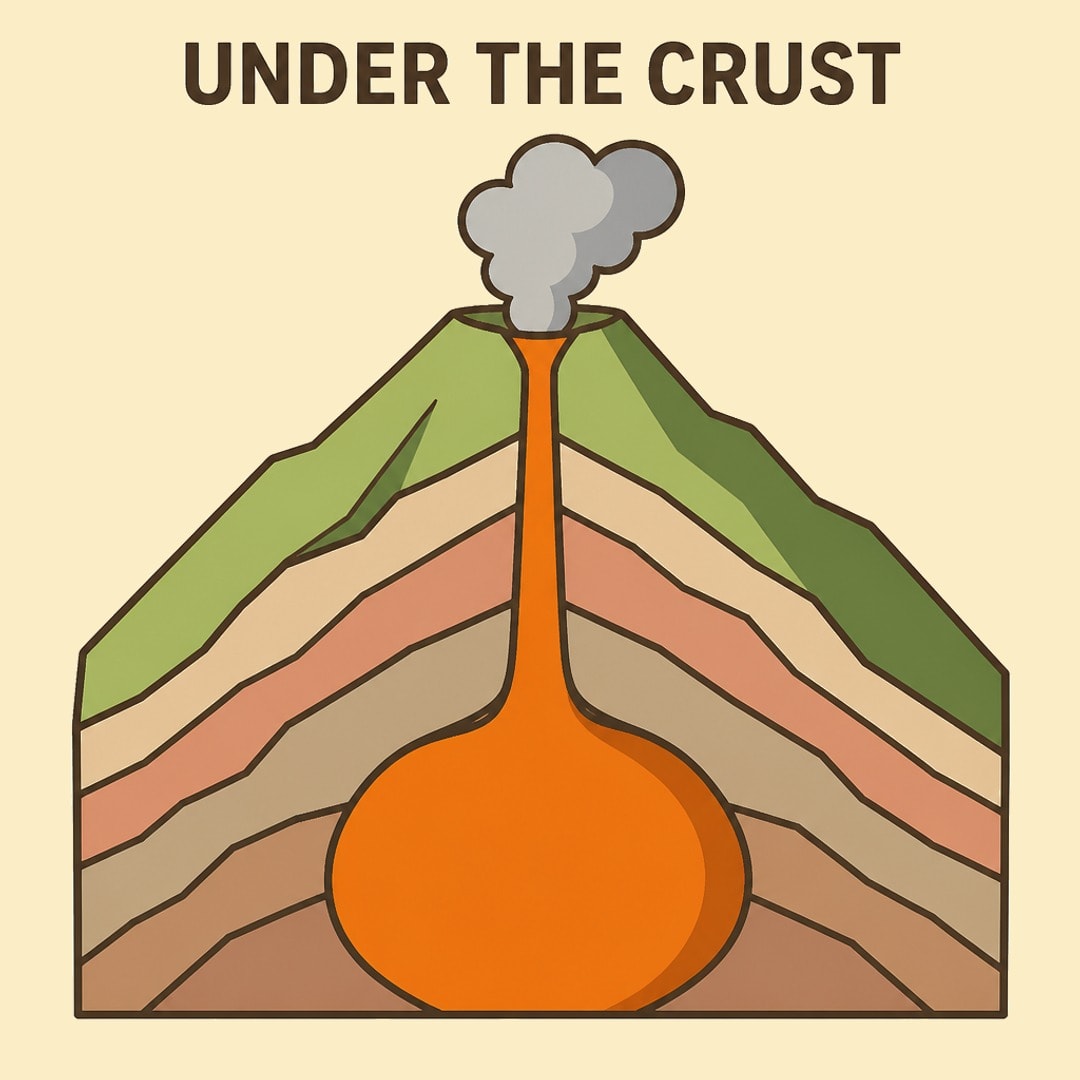
Deep beneath our feet, the ground we stand on feels solid and unchanging, but the Earth is far from still. Far below the crust, extreme heat melts rock into a thick, glowing liquid called magma. This liquid rock mixes with trapped gases and broken rock fragments, creating immense underground pressure. When that pressure builds up enough, it forces the materials to push upward through cracks in the Earth's outer shell, creating a volcano. Most of these fiery giants form along tectonic plate boundaries, which are the edges where massive slabs of the Earth's crust crash together, pull apart, or slide past one another. The crust shatters along these borders, giving the trapped magma an easy path to the surface.
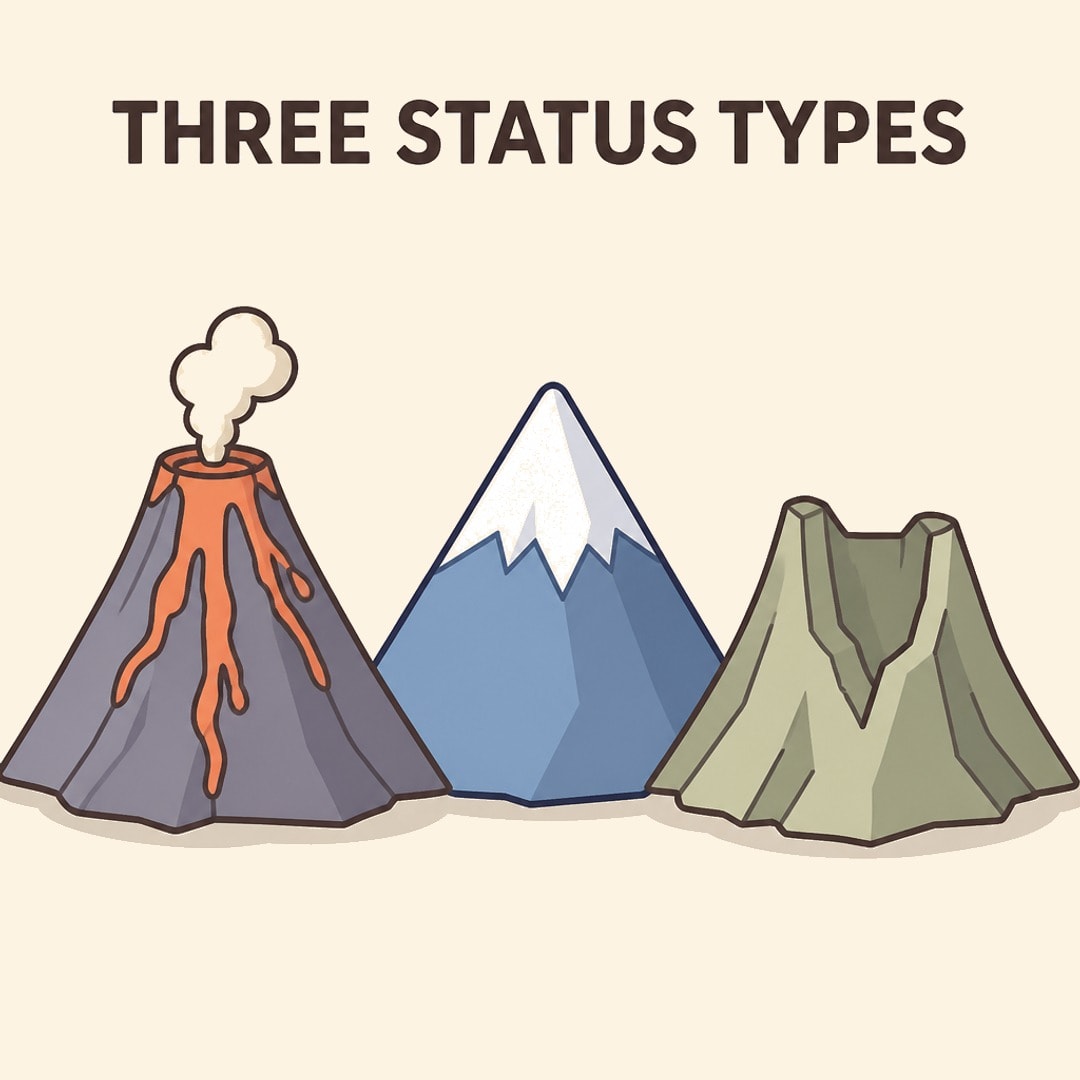
To make sense of these powerful mountains, scientists sort them into categories based on how they behave over long stretches of time. An active volcano is one that is currently erupting or has shown historical and frequent eruptive behavior. To keep things organized, researchers often track volcanoes that have erupted within the Holocene epoch, which is a geological time period covering roughly the last ten thousand years of Earth history. When a volcano is not currently erupting but scientists expect it to wake up again in the future, they call it dormant. On the other end of the spectrum, an extinct volcano is one that will never erupt again because its underground supply of magma has been completely cut off by shifting rock layers.
Understanding these categories helps communities prepare for what lies ahead, but nature often defies simple labels by refusing to stay quiet. Some volcanoes do not just put on a quick show and go back to sleep. They can stay busy for years, erupting over and over again in cycles that test the patience of nearby communities. Kanlaon, located in the Negros Island Region of the Philippines, is a clear example of this long-term behavior. It kicked off a series of explosive eruptions starting on June 3, 2024, sending huge clouds of ash high into the sky and blanketing surrounding areas in ashfall. That initial blast was only the beginning of a multi-year ordeal.
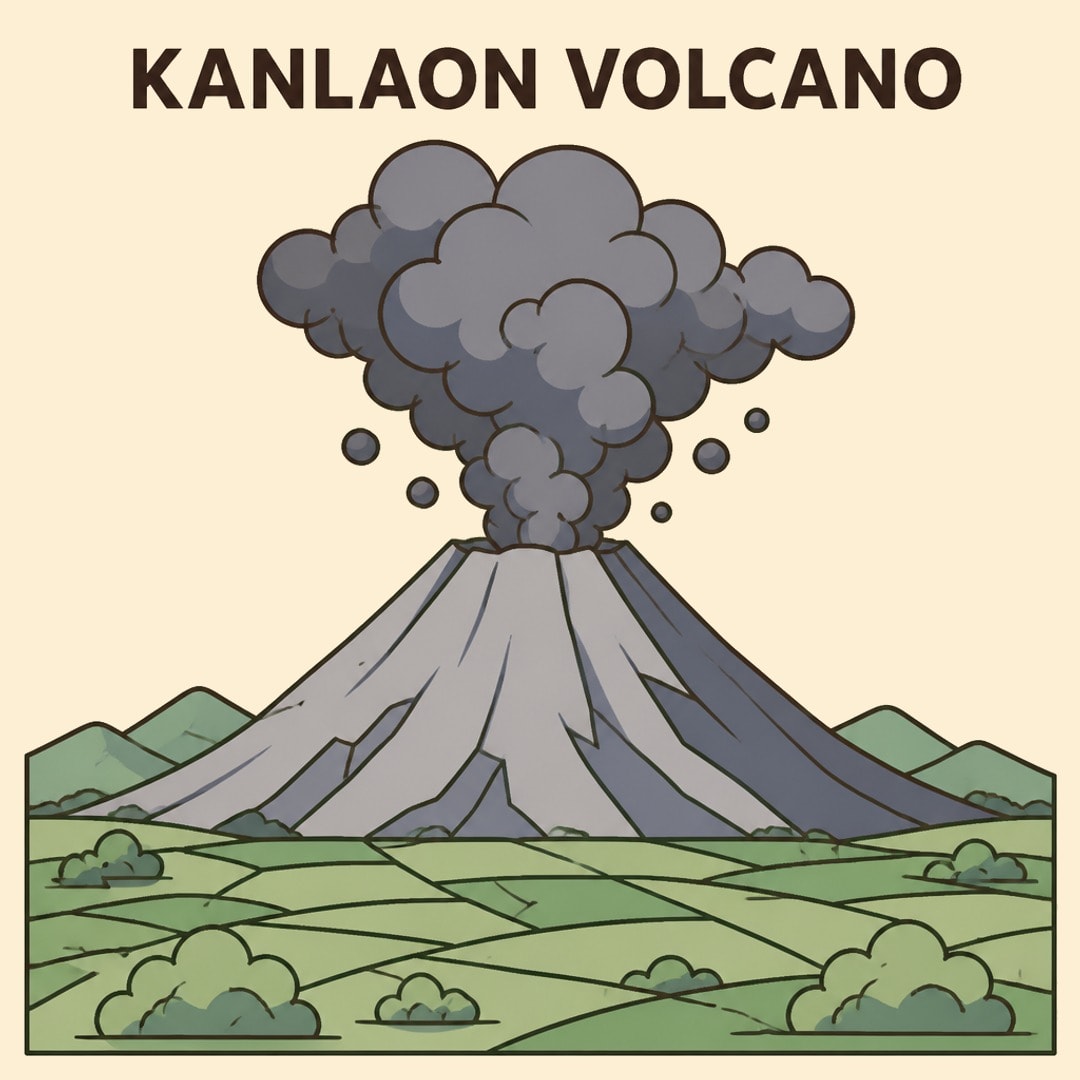
Additional major eruptions followed in a repeating pattern through late 2024, all through 2025, and into early 2026, showing just how long a single volcanic system can remain restless and unpredictable. This repeated activity happens because the underground plumbing system feeding the volcano stays open and full of pressurized gas and molten material. Instead of sealing shut after one burst, the vent remains a clear highway for rising magma, forcing people living nearby to stay on high alert through multiple seasons of ash and explosions.
Volcanic activity is not limited to dry land, either. Hidden miles beneath the ocean waves, the exact same geological processes shape the seafloor far away from human eyes. Satellites orbiting high above the Earth and oceanographic instruments scanning the deep water continue to capture stunning evidence of submarine volcanic activity. For instance, NASA reported that satellites detected clear signs of an unexpected underwater eruption in the Central Bismarck Sea on May 8, 2026. This deep-sea blast occurred along a fractured underwater region known as the Titan Ridge, where the ocean floor is pulling apart and letting magma escape.
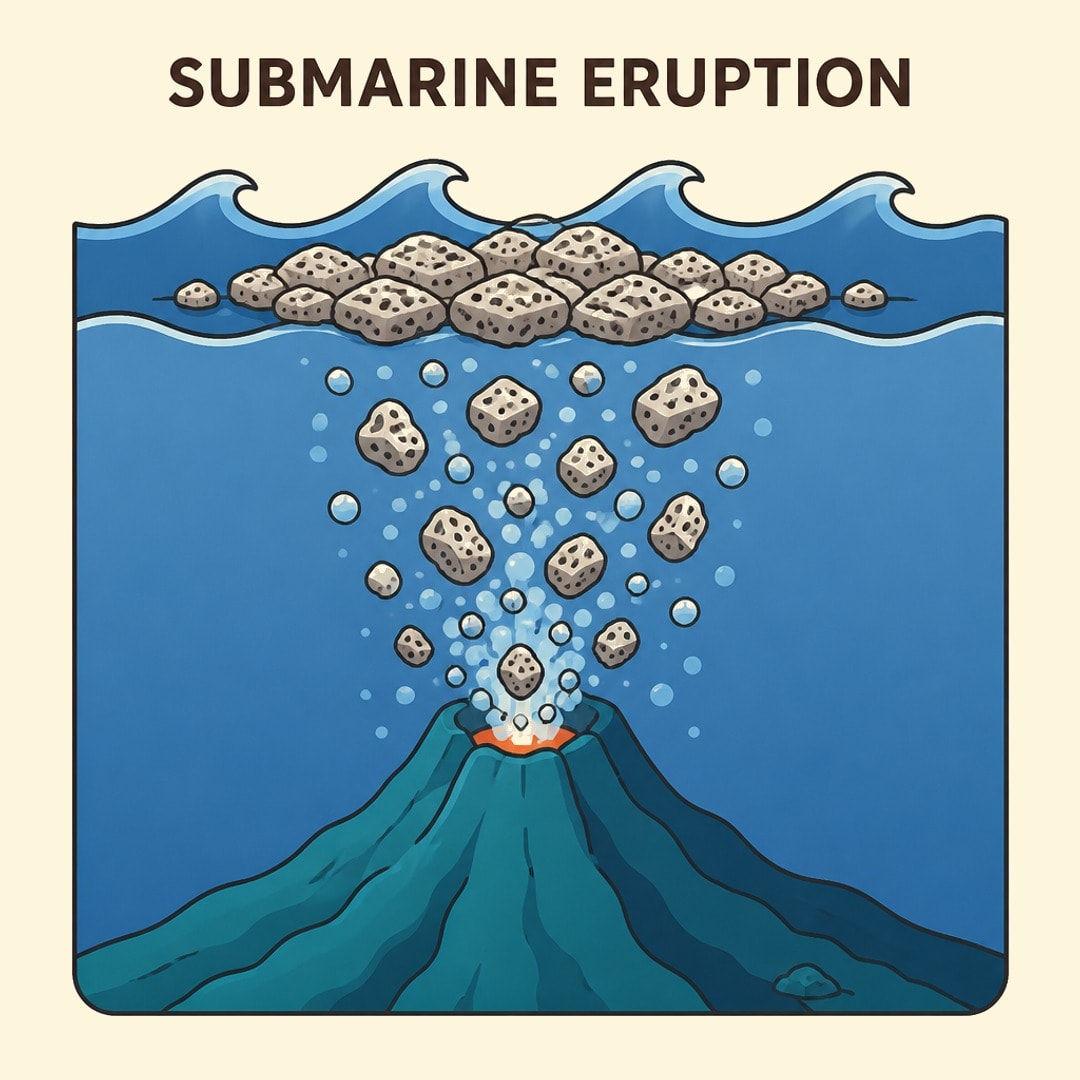
When this underwater volcano blew its top, it created unusual floating rafts of lightweight volcanic rock called pumice that drifted across the surface of the ocean for miles. Pumice is a special type of rock filled with tiny air bubbles trapped while the lava cooled quickly in the water, making it light enough to float on waves. Scientists even considered the possibility that this particular event might create a brand-new, temporary island if enough solid material piled up above the water line. These hidden ocean eruptions remind researchers that a huge portion of our planet's volcanic power is entirely hidden beneath the sea, waiting for the right moment to reveal itself to orbiting satellites.
Back on land, other famous peaks demand constant observation from geologists who want to keep nearby populations safe. Mount Semeru stands tall on the island of Java, reaching an elevation of approximately 3,676 meters, which translates to over 12,000 feet above sea level. It holds the title of the highest volcano on Java and ranks as one of Indonesia's most active peaks. It frequently produces hazardous avalanches of glowing lava, choking ash plumes, and fast-moving avalanches of hot gas and rock known as pyroclastic flows, which can sweep down the mountain slopes at terrifying speeds.
Far beneath the surface, far larger systems are at work in complete silence. Advanced seismic surveys, which measure underground sound waves traveling through the Earth, and chemical tests help scientists monitor supervolcanoes like Japan's submerged Kikai caldera. These deep reservoirs show ongoing signs of recharging with fresh magma long after massive ancient eruptions have passed, proving that the chamber underneath is slowly filling back up. This silent refilling gives researchers critical clues about long-term volcanic hazards. Whether it is a towering peak on land, a hidden vent deep in the ocean, or a massive underground chamber, our planet's inner fire never truly rests, constantly reshaping the world we live in.