The Brilliant Minds of the Deep: Unlocking the Secrets of the Octopus
Updated 7/22/2026
2 views
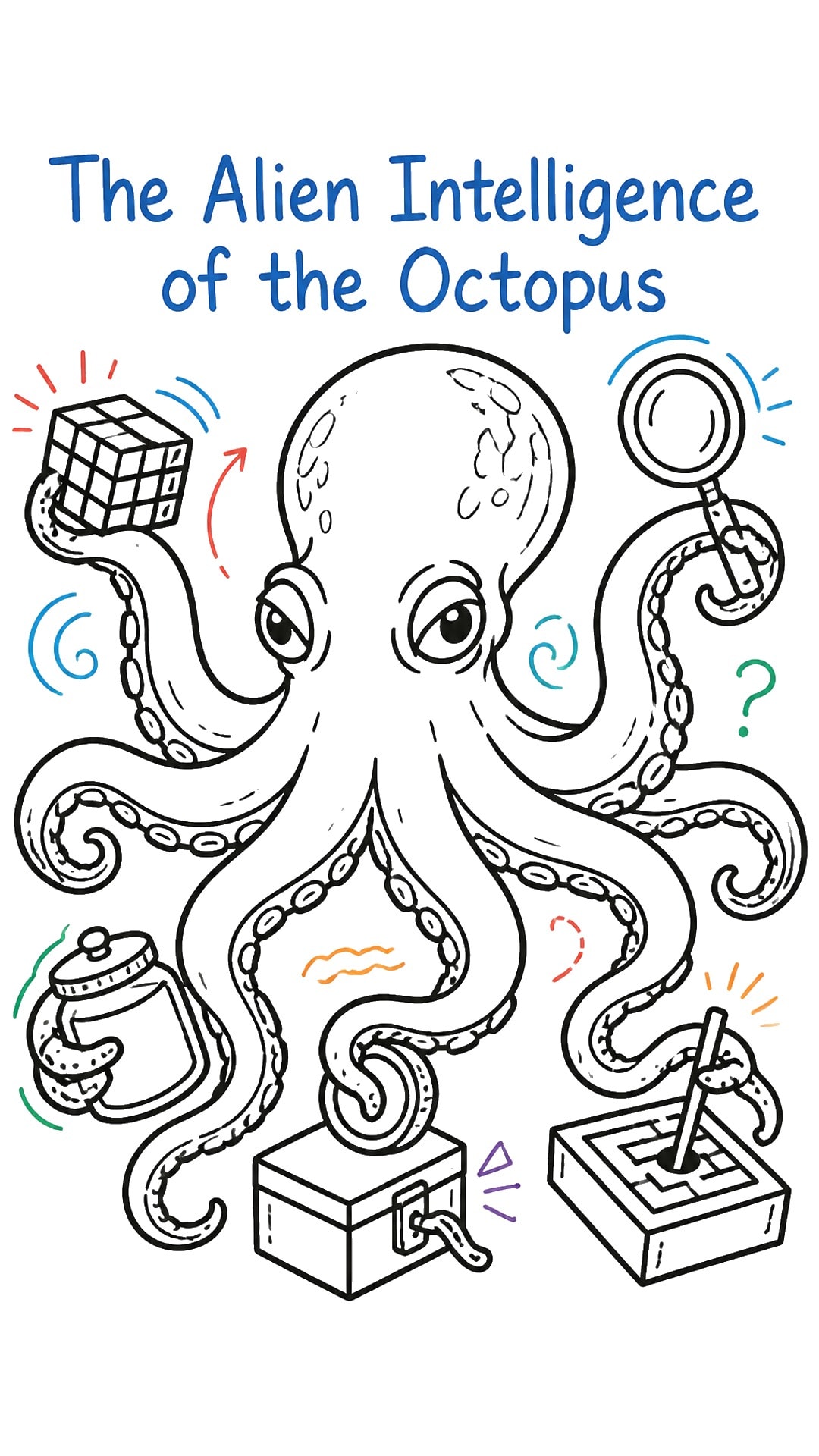
Have you ever wondered what it would be like to think with your arms? If you are looking for one of the smartest creatures on our planet without a single backbone to be found, look no further than the octopus. These masters of the sea have developed a complex, adaptive mind that feels almost otherworldly. It is a stunning example of how high-level intelligence can evolve on a path entirely separate from our own.
A Decentralized Genius
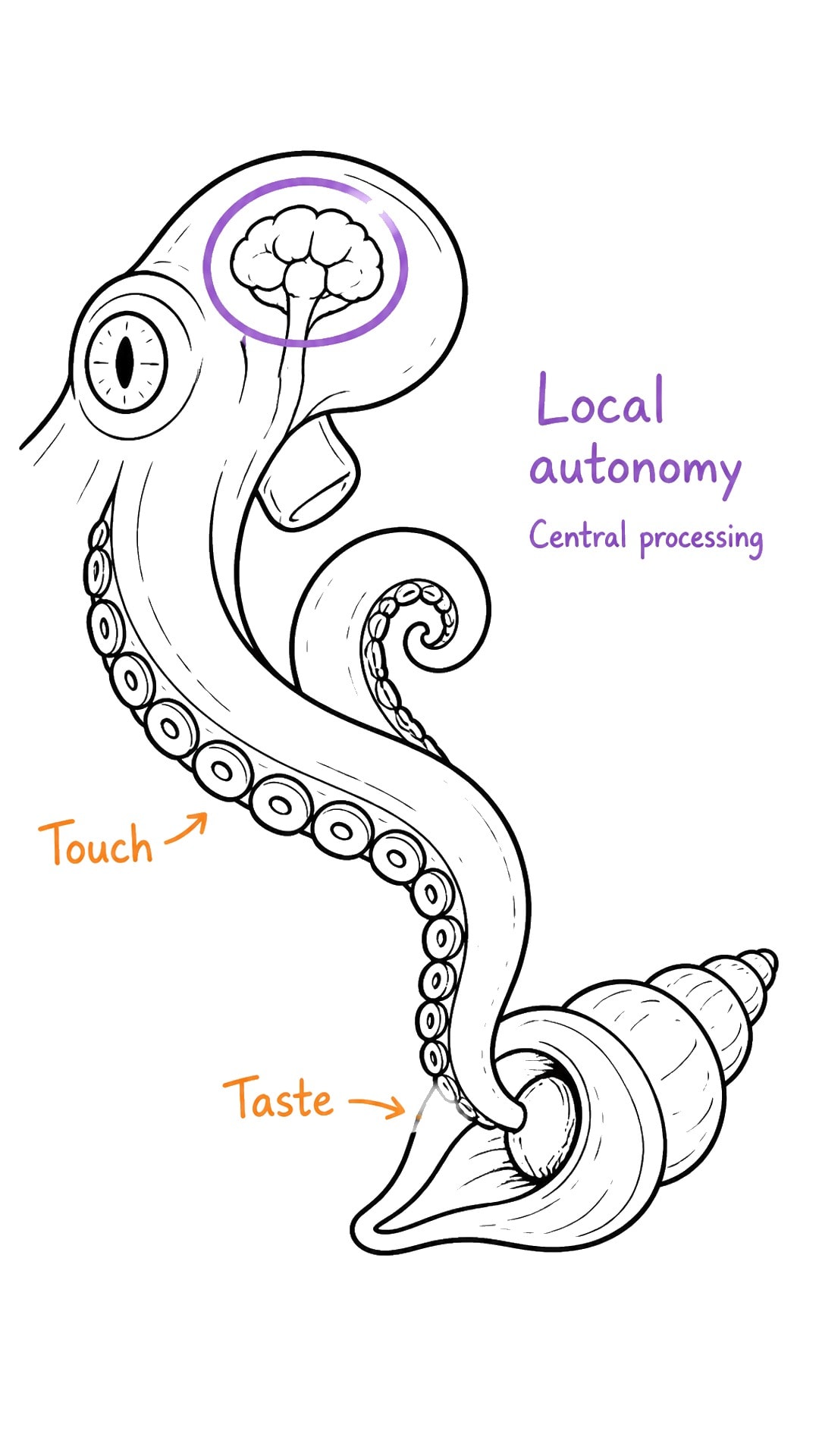
The secret to their mental agility lies in their unique anatomy. An octopus carries nearly 500 million neurons, which is an incredible number for an invertebrate. But here is the real twist: two-thirds of those neurons aren't in their head at all. They are distributed throughout their eight arms, giving the octopus a decentralized nervous system. This layout means that the octopus doesn't have to send every single command from a central "head office" to get things done.
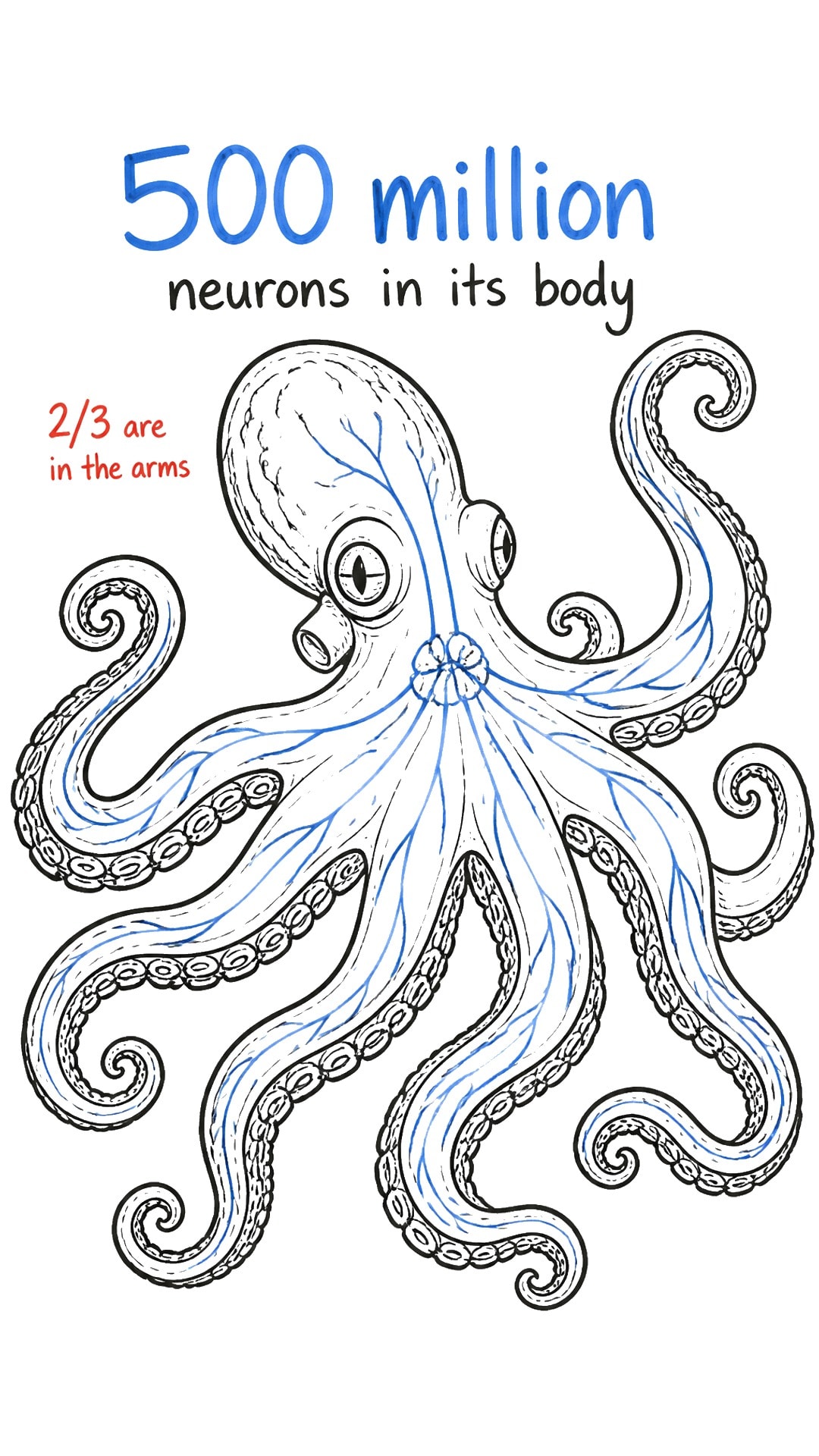
Because of this unique setup, each arm can process touch information and control its own movement locally. This gives the octopus a level of flexibility and reach that seems almost liquid. Meanwhile, the central brain, tucked neatly between their eyes, remains the hub for complex processing, learning, and long-term memory. It is a beautiful division of labor that allows them to interact with their environment in ways few other animals can.
Masters of Problem Solving
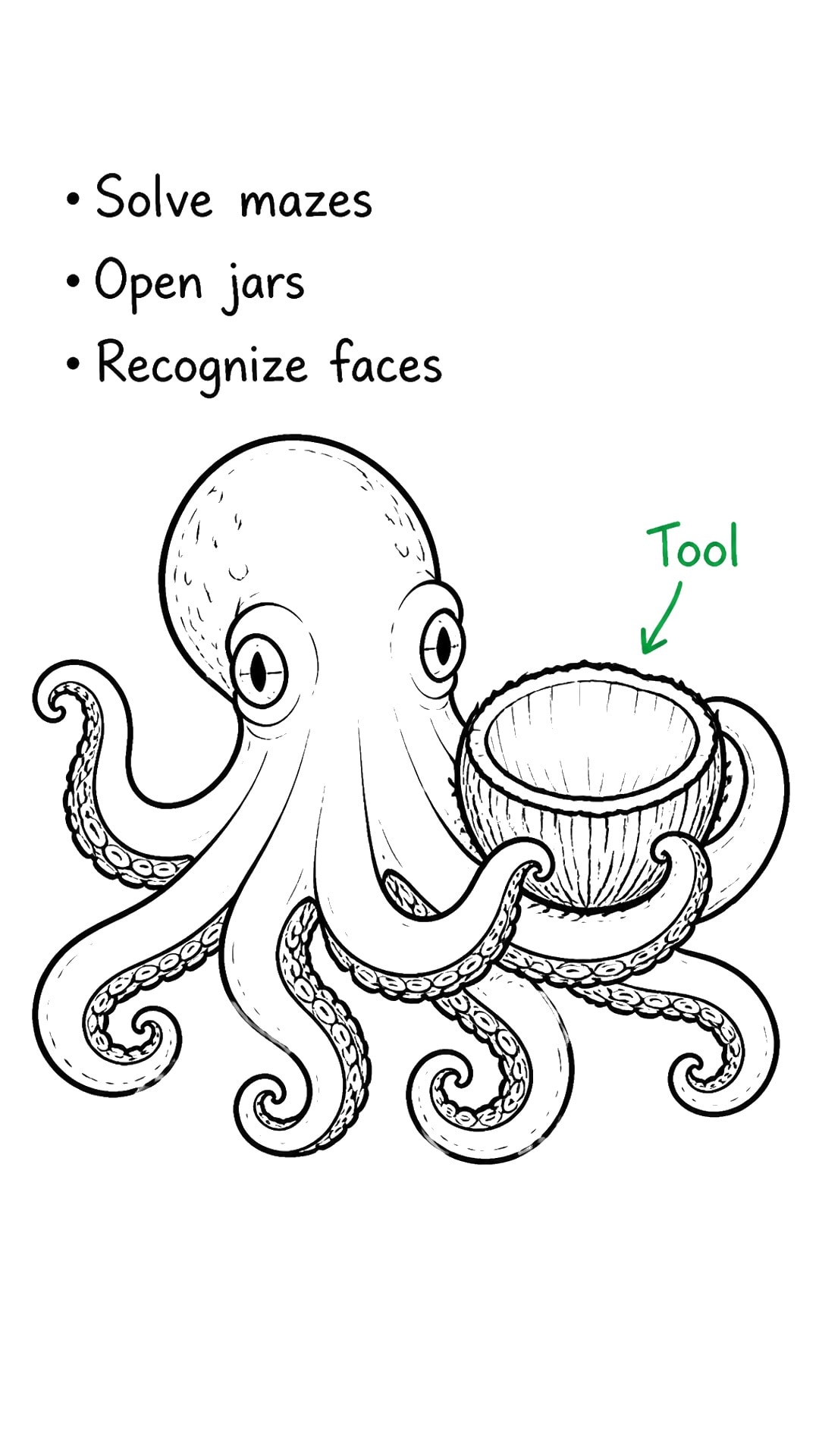
Their intelligence is hard to ignore once you see it in action. Researchers have documented these clever creatures using coconut shells as portable, protective shelters, navigating through complex mazes, and even figuring out how to open containers to get a reward. They aren't just acting on instinct; they can adapt to brand-new situations and shift their strategies on the fly.
Even more impressive, there are reports that some octopuses can recognize individual people. This level of social and spatial awareness proves that their capacity for learning is quite advanced. They are constantly observing and responding to the world around them with a curiosity that is truly captivating.
The Genetic Puzzle
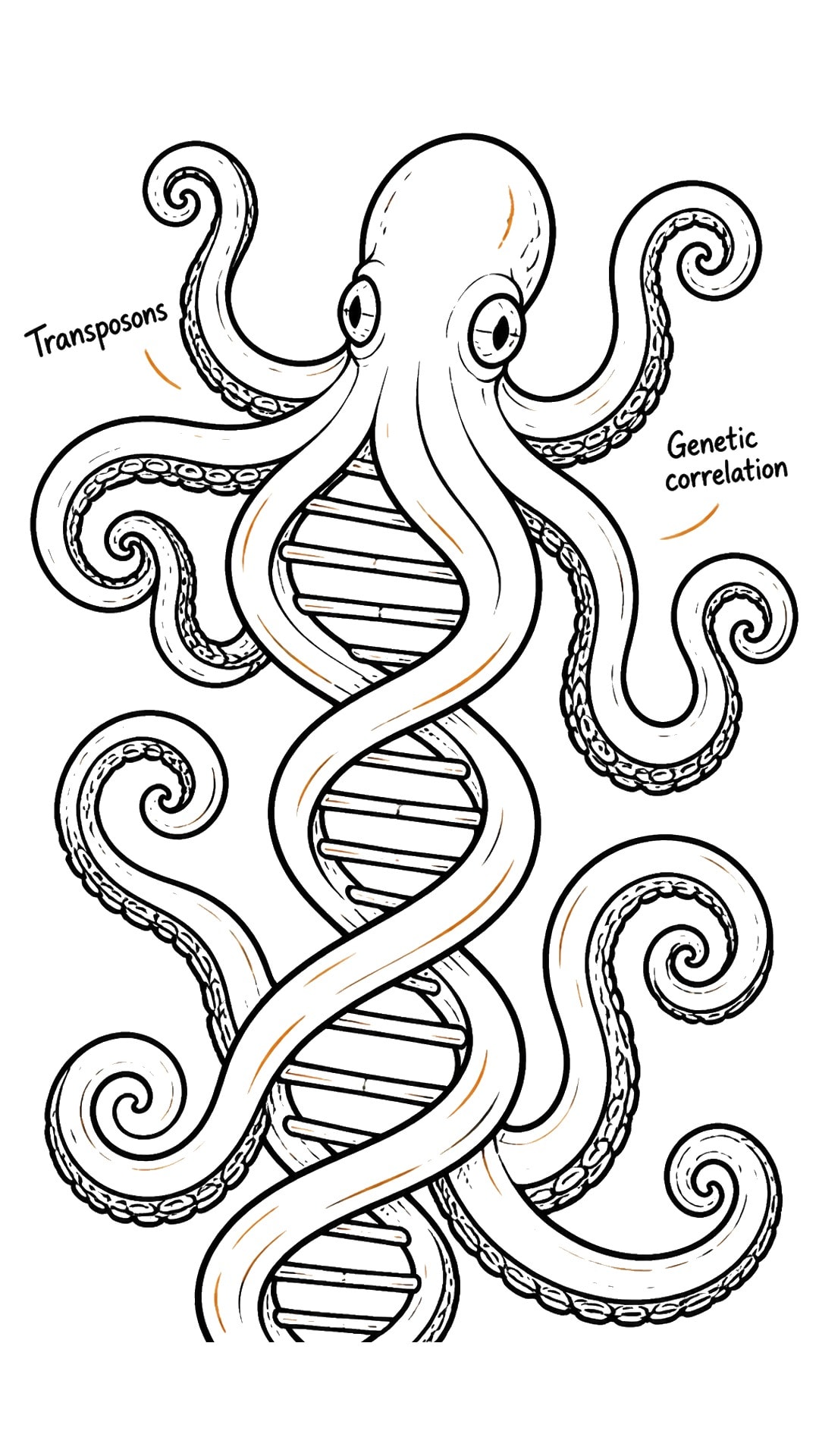
When scientists look at the octopus's DNA, things get even more interesting. Genome studies have found many transposons—often called jumping genes—and other genetic elements linked to their brain development. These elements show especially high expression in their nervous tissues. While these findings suggest a strong connection to their mental complexity, scientists are careful to note that this is currently a correlation, not a direct cause. It is a mystery that researchers are still working hard to unravel.
Evolution’s Different Paths
With no backbone to hold them back, a soft body that can squeeze through the narrowest of spaces, and a brain built in a completely different way than our own, the octopus serves as a striking reminder that nature has many ways to create intelligence. They remind us that the capacity for thought doesn't require a traditional spine or a familiar body shape.
Their short lives—lasting only a few months to a few years—make their cognitive achievements even more remarkable. In that brief time, they master their surroundings, hunt with precision, and navigate a world that is vastly different from our own. The octopus truly is a marvel of the natural world, proving that brilliance can flourish in the most unexpected places.