
Dragons: Why Different Cultures See the Same Beast So Differently
Updated 7/22/2026
0 views
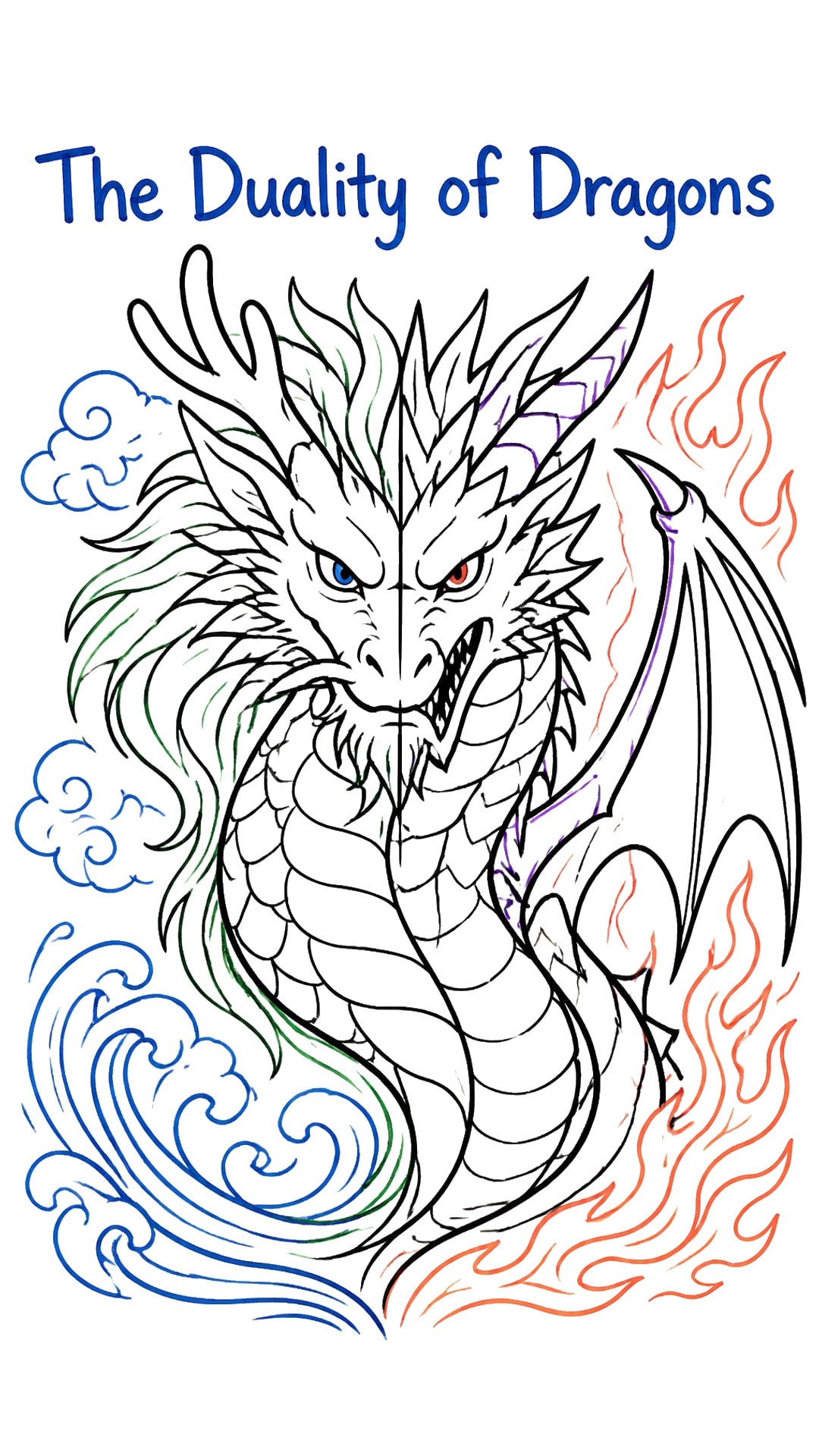
Dragons have haunted the human imagination for millennia, appearing in folklore across the globe. But the creature that emerges from these tales—whether as a source of wonder or a figure of fear—depends entirely on the culture that tells its story. It is fascinating to look at how a single concept can shift so dramatically depending on where you are in the world.
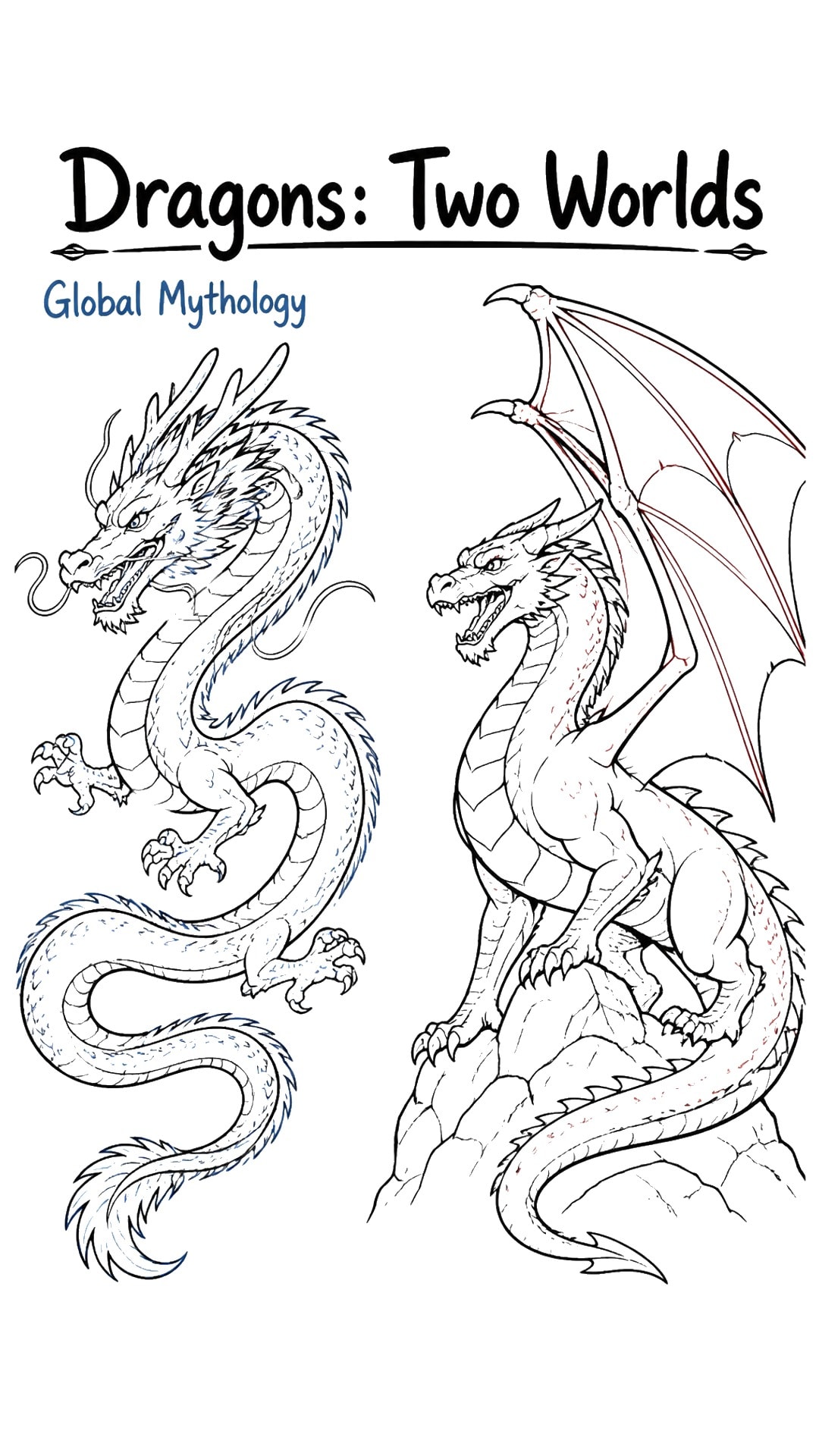
The Graceful Spirits of the East
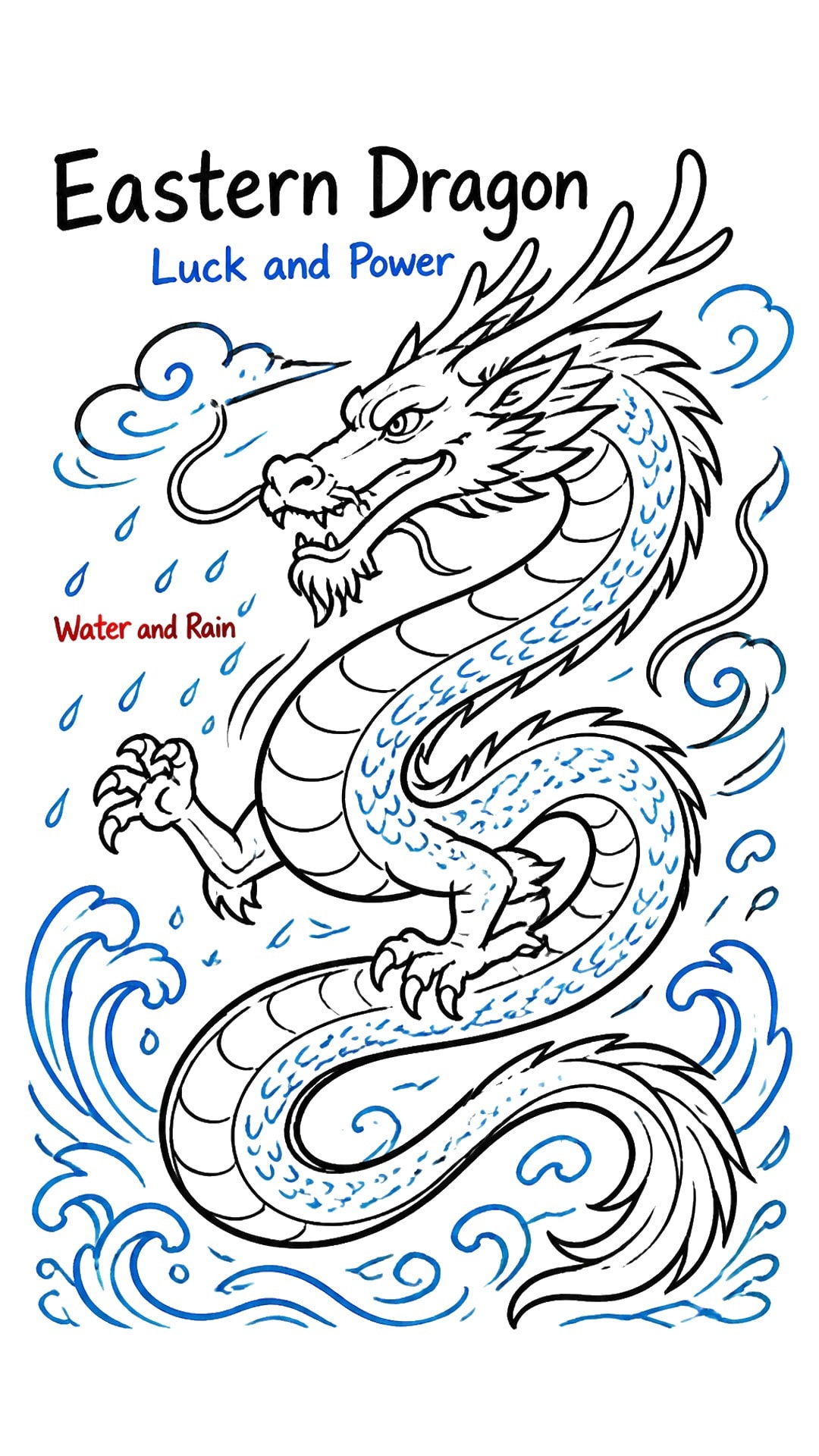
In traditions from China, Korea, and Japan, the dragon is a creature of grace. Usually wingless and long, like a snake, it represents wisdom and good fortune. These legends are often tied to the earth’s natural rhythms, symbolizing the power of rain and the promise of a fertile harvest. Unlike the terrifying monsters of other myths, these dragons are seen as bringers of prosperity and balance, deeply integrated into the cultural fabric of their respective nations.
Imperial Icons and Zodiac Symbols
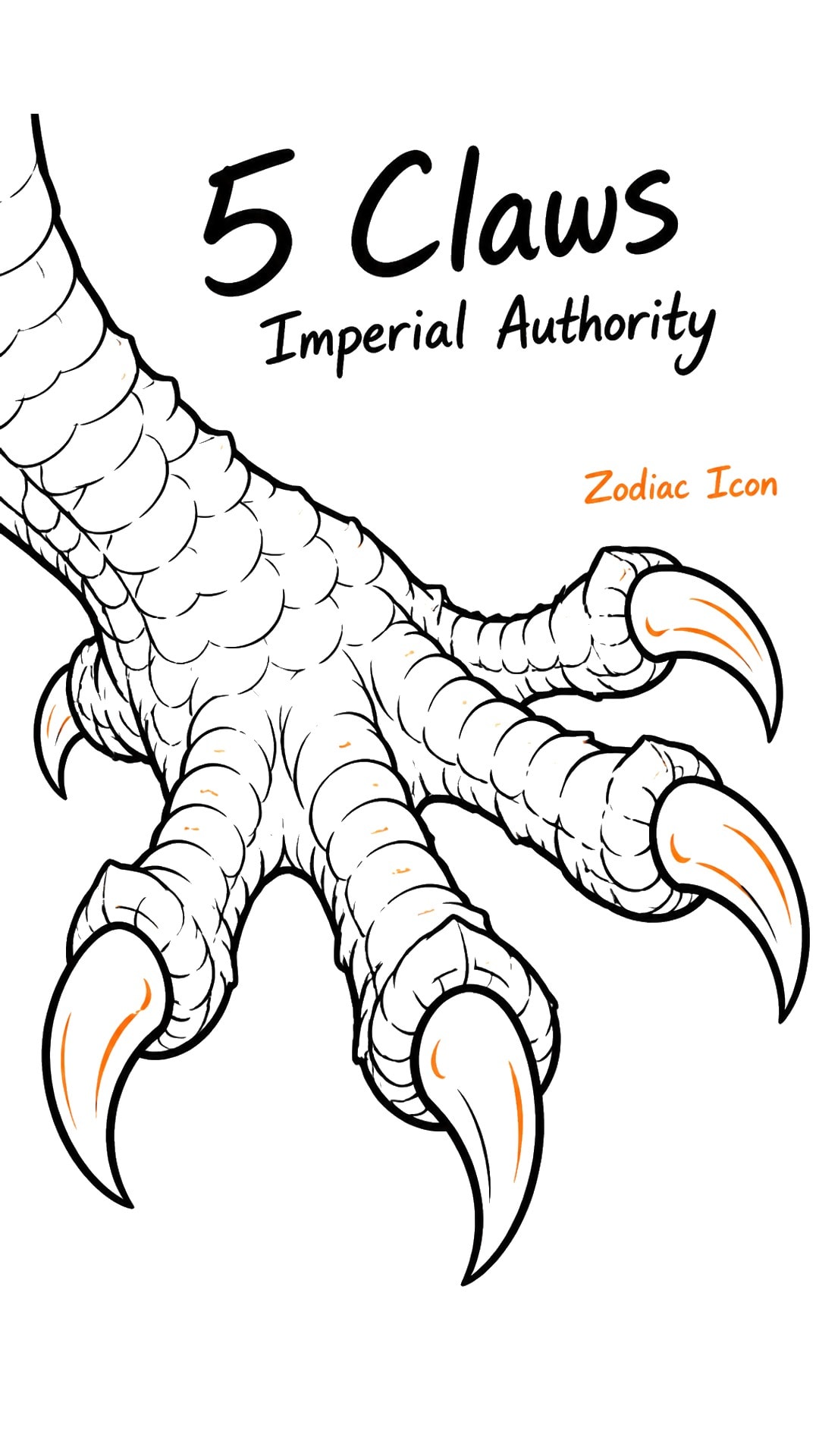
This creature holds deep social significance that has lasted for centuries. In Chinese history, the five-clawed dragon was a symbol reserved for the imperial court across several dynasties. Beyond its role in government, it remains a beloved icon, honored as one of the animals of the Chinese zodiac. To this day, the dragon remains a powerful symbol of identity, representing authority and auspicious energy in a way that truly brings people together.
The Fearsome Beasts of European Lore
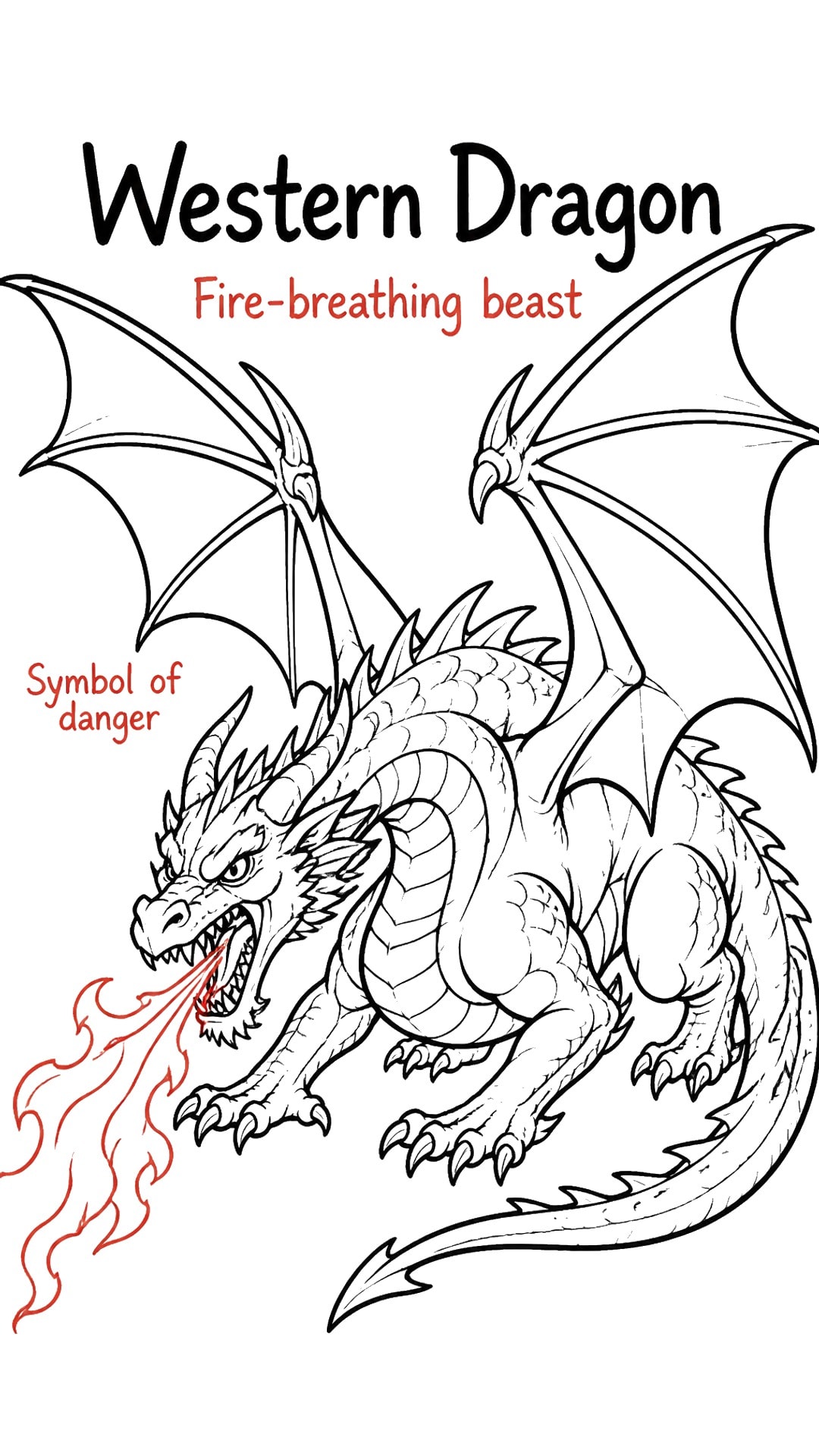
European legends paint a very different picture. Here, the dragon is typically a lizard-like beast with bat-like wings that breathes fire. Far from being a benefactor, it is often cast as a villain or a monster of danger, frequently appearing in myths where heroes or saints must rise up to defeat them. These tales often center on the battle between good and evil, with the dragon serving as a formidable guardian of hoarded gold or a physical threat to the safety of the land.
Uncovering the Origins of the Myth
What led people in such different parts of the world to dream up such similar creatures? Scholars suggest these tales grew from a mix of sources: our human fear of snakes, the discovery of massive fossils, and the attempt to interpret natural phenomena that were simply not yet understood by early societies. By giving a face to the unknown, ancient civilizations were able to explain the mysteries of the natural world, from sudden floods to massive, bone-like shapes found deep in the earth.

A Mirror of Human Values
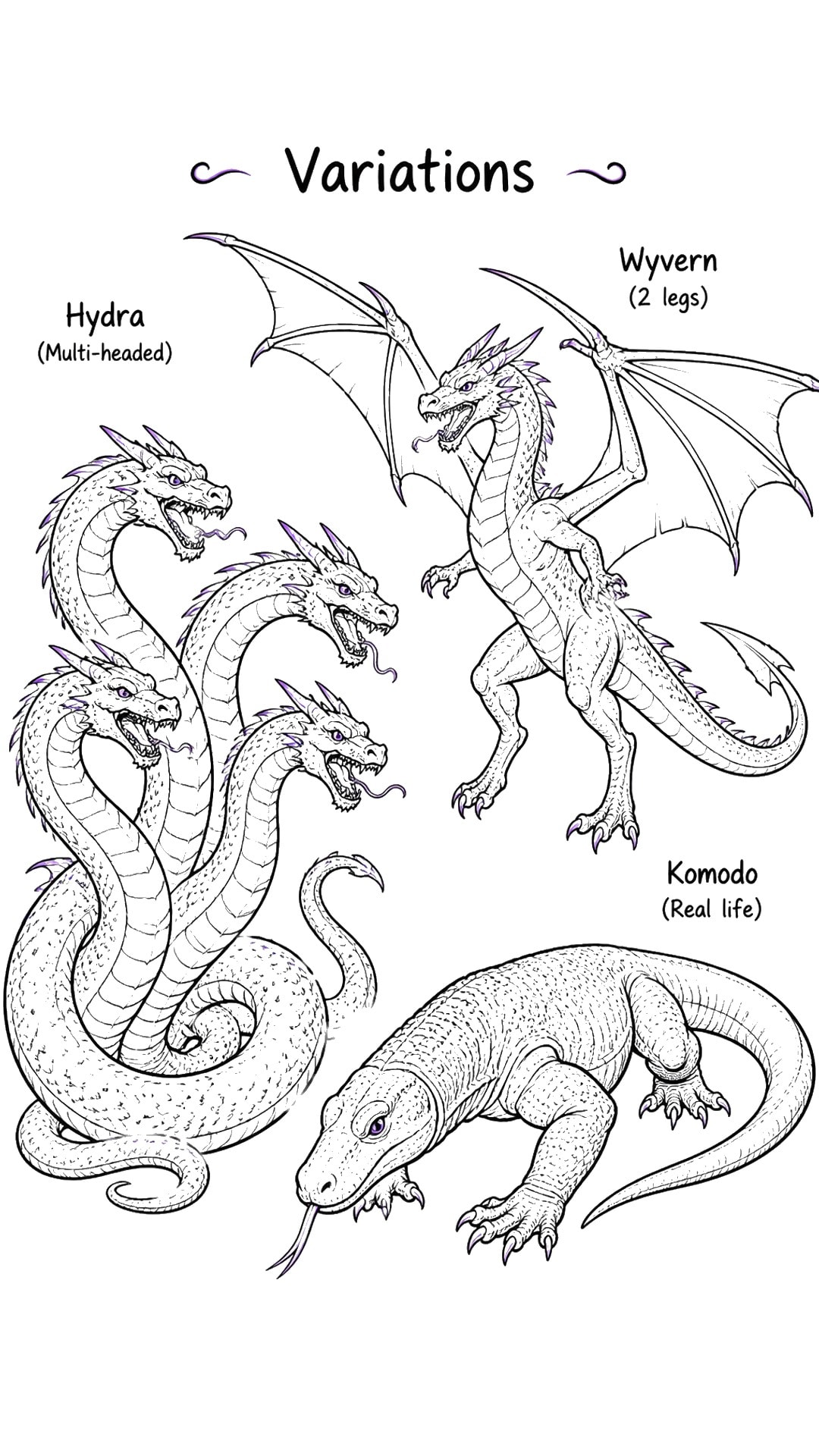
From the multi-headed Hydra to the two-legged Wyvern, the dragon remains a versatile shadow in our culture. Yet, whether viewed as a sacred bringer of prosperity in the East or a dangerous predator in the West, this legendary creature lives on as a mirror of our own values, proving that one culture's blessing can just as easily be another's nightmare. It’s a wonderful reminder that while the stories we tell may change, the human desire to make sense of our world remains the same.
Ultimately, whether they are represented as magnificent, celestial beings or fierce, fire-breathing antagonists, dragons continue to capture our interest. They remind us that the way we view our surroundings is often defined by the stories we have inherited, proving that these mythical creatures are as real in our minds as they are in our history books.