When Umbrellas Wake Up: The Playful Legend of Japan's Kasa-obake
Updated 8/3/2026
0 views
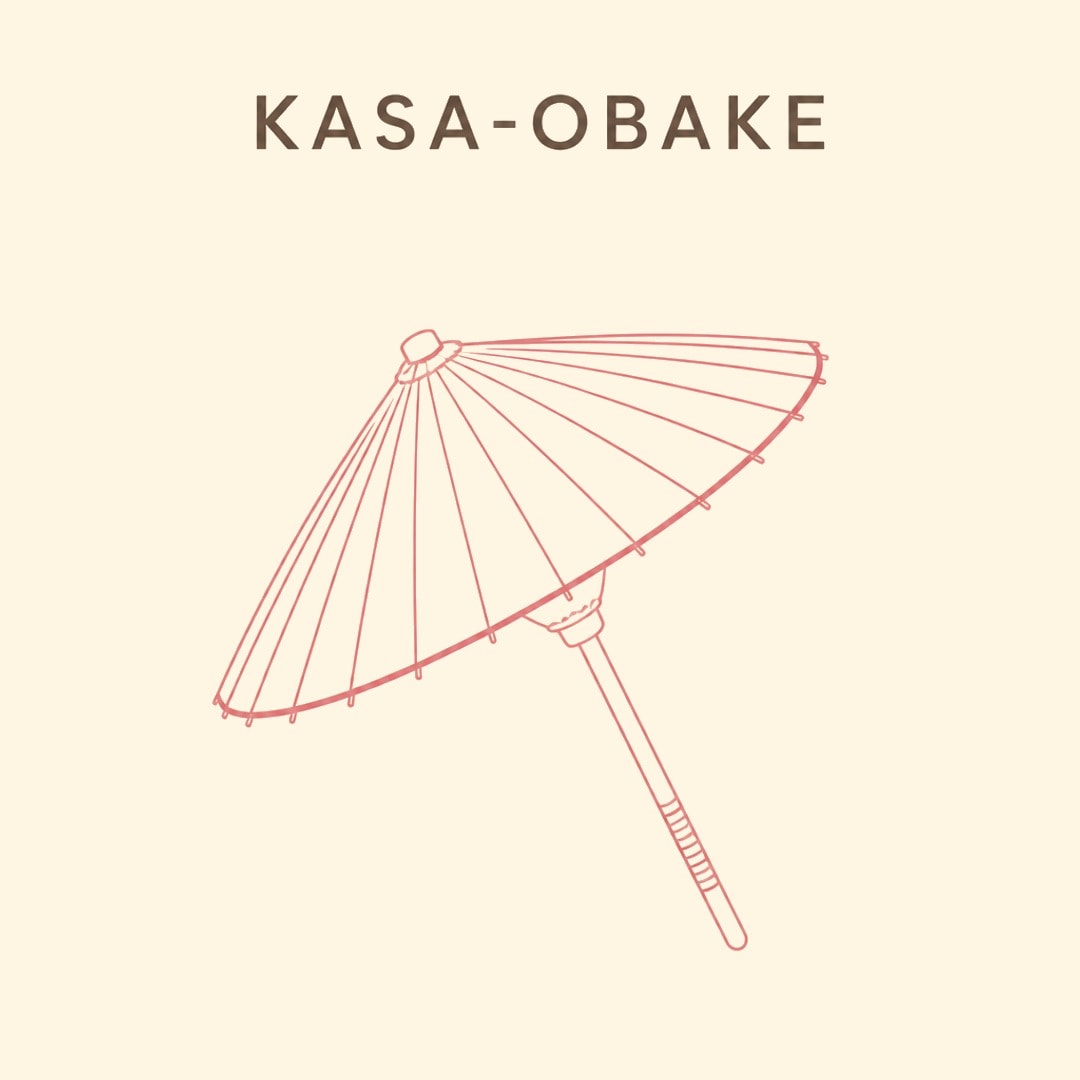
Imagine leaving an old umbrella tucked away in a dark corner of your room for years and years, watching dust settle on the fabric while the metal ribs slowly stiffen. In Japanese folklore, things left alone for a very long time might not stay lifeless in the way we expect. Instead, they can wake up, break free from their silence, and turn into something completely unexpected. This transformation is the starting point for one of the most recognizable characters in traditional Japanese ghost stories, capturing human imagination for hundreds of years.
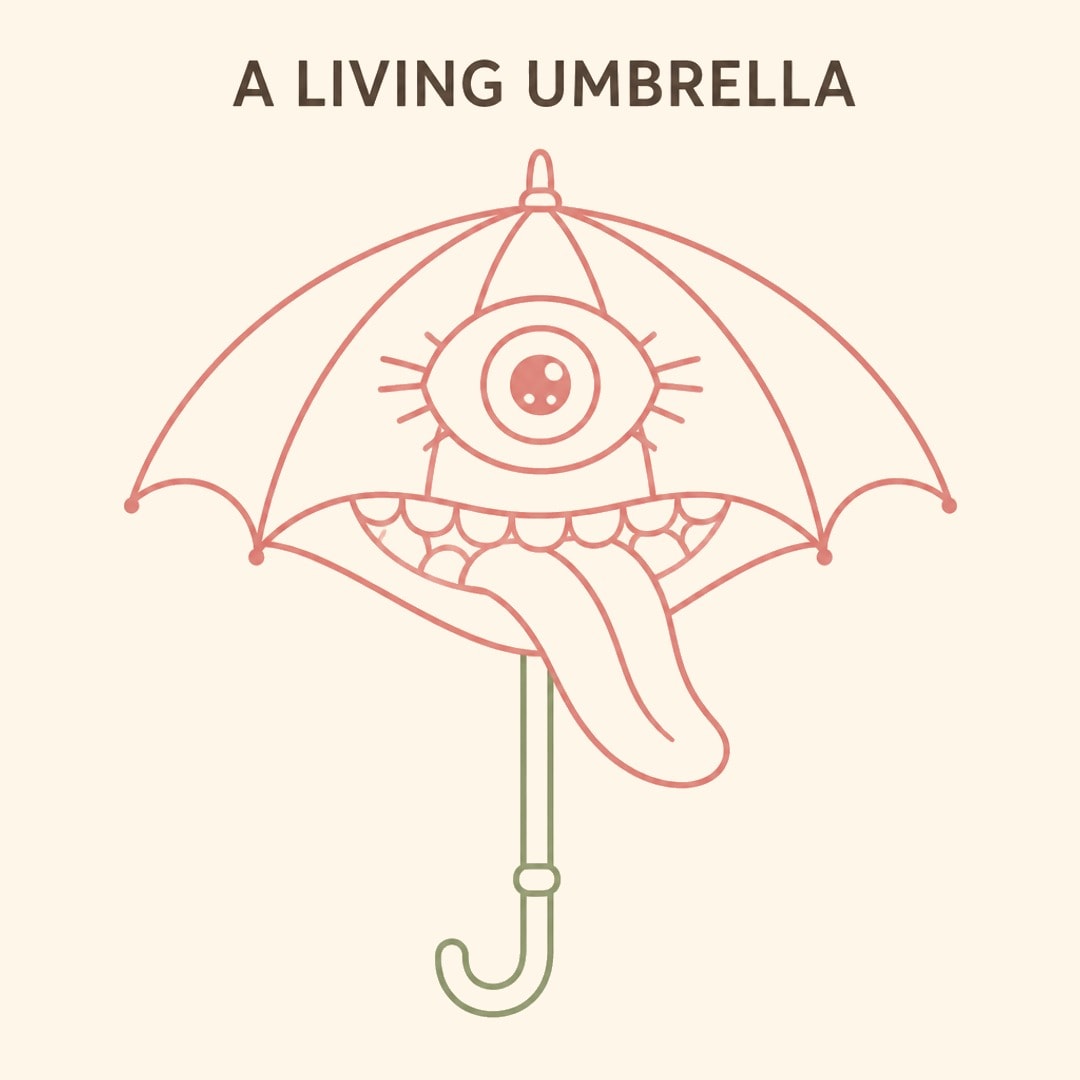
The creature that comes from this old umbrella is known as a Kasa-obake, which translates simply into English as the umbrella ghost. It belongs to a massive group of supernatural beings called yōkai, which is a broad Japanese word used for spirits, monsters, and strange phenomena that defy easy explanation. These beings are part of a rich storytelling tradition that helps people make sense of the unexplainable parts of the natural world. Long before modern science could explain every shifting shadow or the strange whistling sound of wind through a doorway, stories of yōkai gave people a way to frame the mysteries around them. They filled the woods, the rushing rivers, and even the dark corners of quiet houses with distinct life and personality.
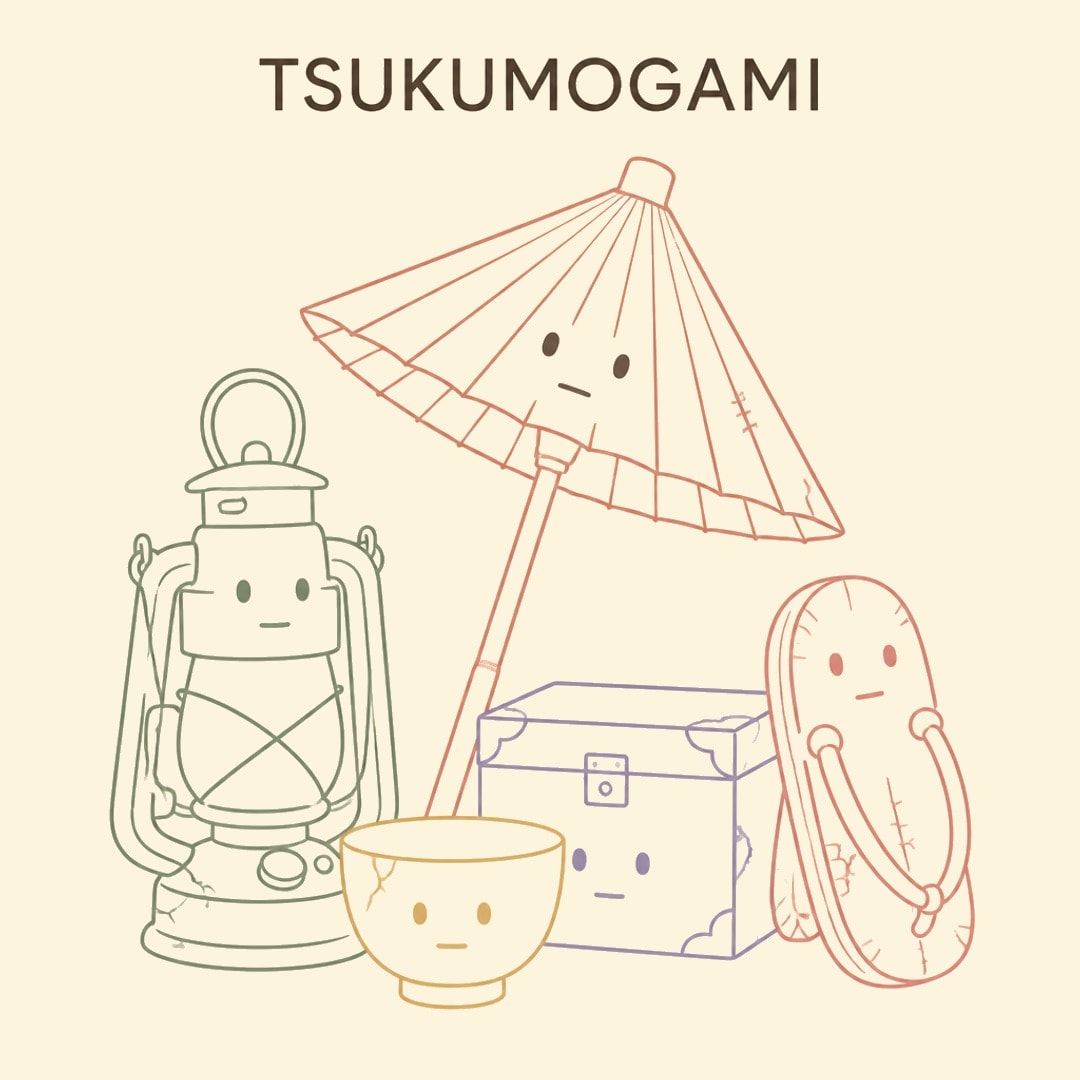
To understand how a common household umbrella turns into a living creature, we have to look at another old idea called tsukumogami. This specific concept says that ordinary household items can gain a soul after surviving for a very long period, traditionally thought to be around a hundred years. When a tool, a garment, or a vessel reaches a ripe old age, it transitions from a simple lifeless object into a conscious spirit with its own thoughts and feelings. People in the past believed that neglecting these faithful items, or throwing them away too early just because they had a small tear or a loose handle, could hurt their feelings. This deep-seated belief turned everyday things like teapots, paper lanterns, and umbrellas into vibrant characters in local folklore.
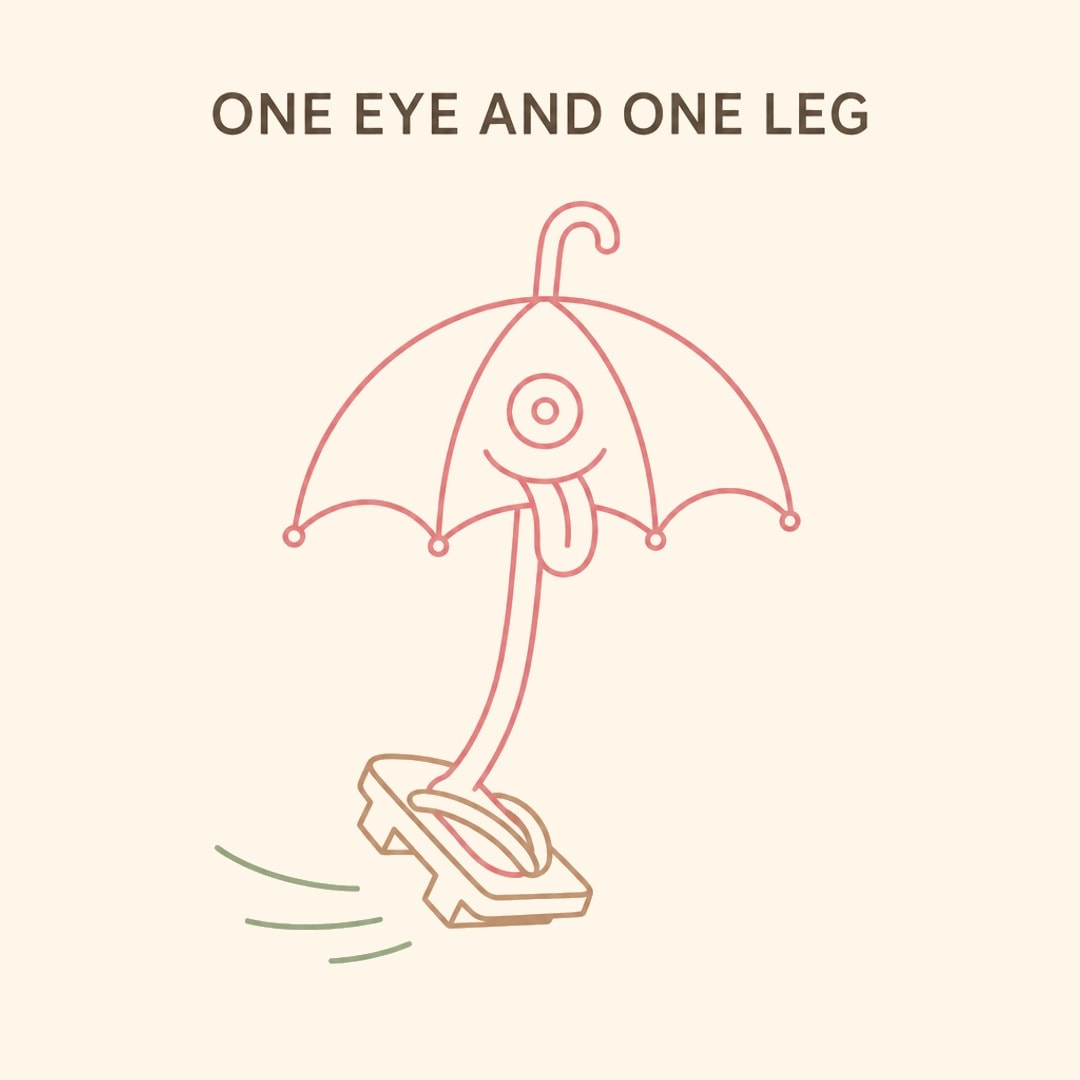
When the umbrella spirit finally comes to life, it takes on a very specific and unforgettable shape that sets it apart from all other creatures. The classic image of this ghost shows the canopy of the umbrella popped open wide, forming a rounded body with a giant face right in the center. It usually has a single, large eye staring out intently from the fabric and a wide mouth with a very long tongue hanging out for maximum comedic effect. Instead of walking on two feet like a human, this quirky spirit hops around everywhere it goes on a single leg, bouncing with surprising energy. Some old drawings also show it with a pair of arms or two eyes, but the one-eyed, one-legged jumper remains the ultimate favorite version in popular culture.
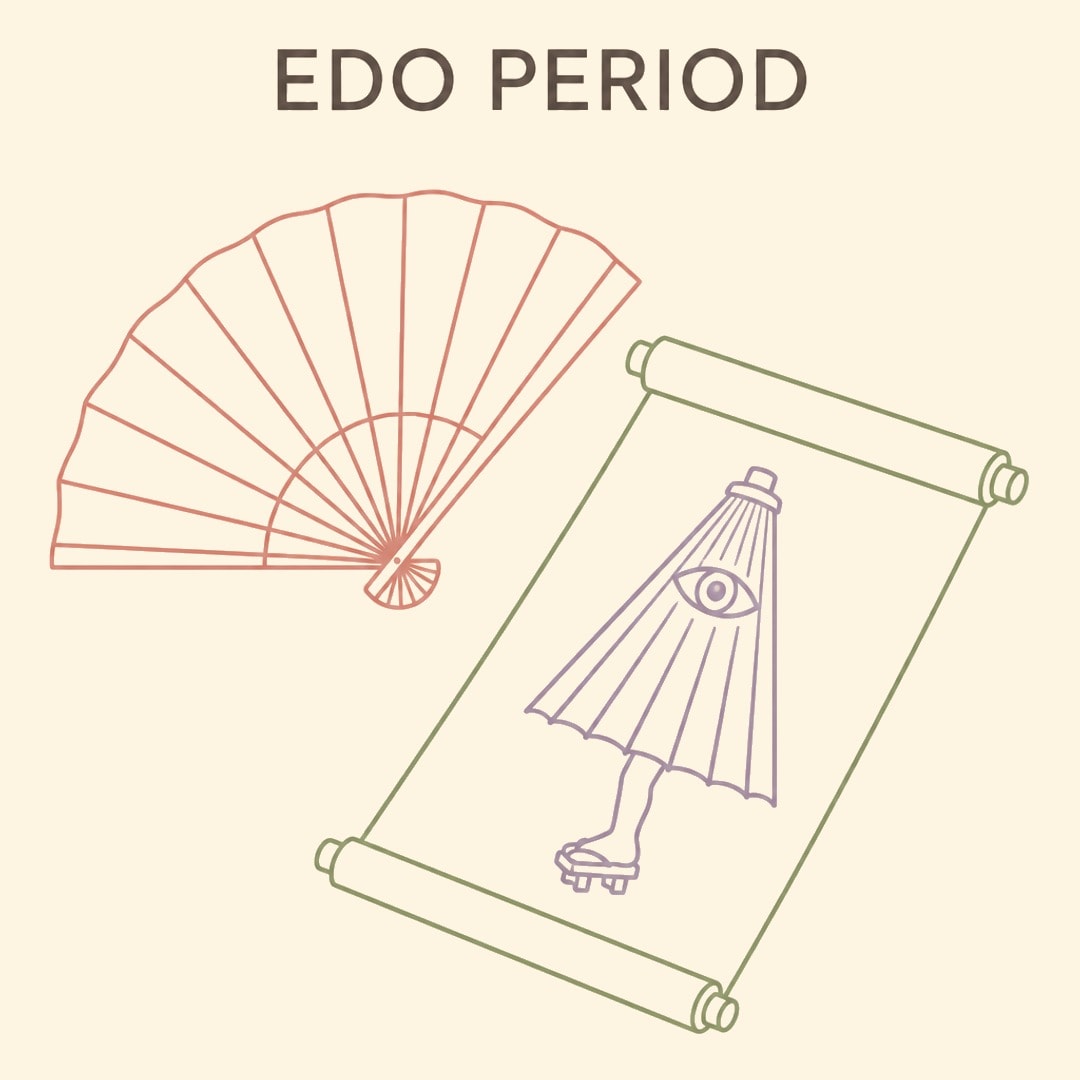
These playful legends did not appear overnight, nor were they written down by a single author in a single year. They grew and spread widely during a time in Japanese history called the Edo period, which lasted from the early seventeenth century to the mid-nineteenth century and brought a long stretch of peace. During these peaceful years, arts, crafts, and storytelling flourished across the country as cities grew and literacy rose. Artists began drawing these creatures on long painted scrolls called emaki, allowing people to unroll them and look at vivid, sequential scenes of wandering spirits. The image also appeared in traditional card games, such as obake karuta, where players matched pictures of monsters with their written descriptions. These games and scrolls helped cement the umbrella spirit as a beloved cultural icon that everyone could recognize instantly.
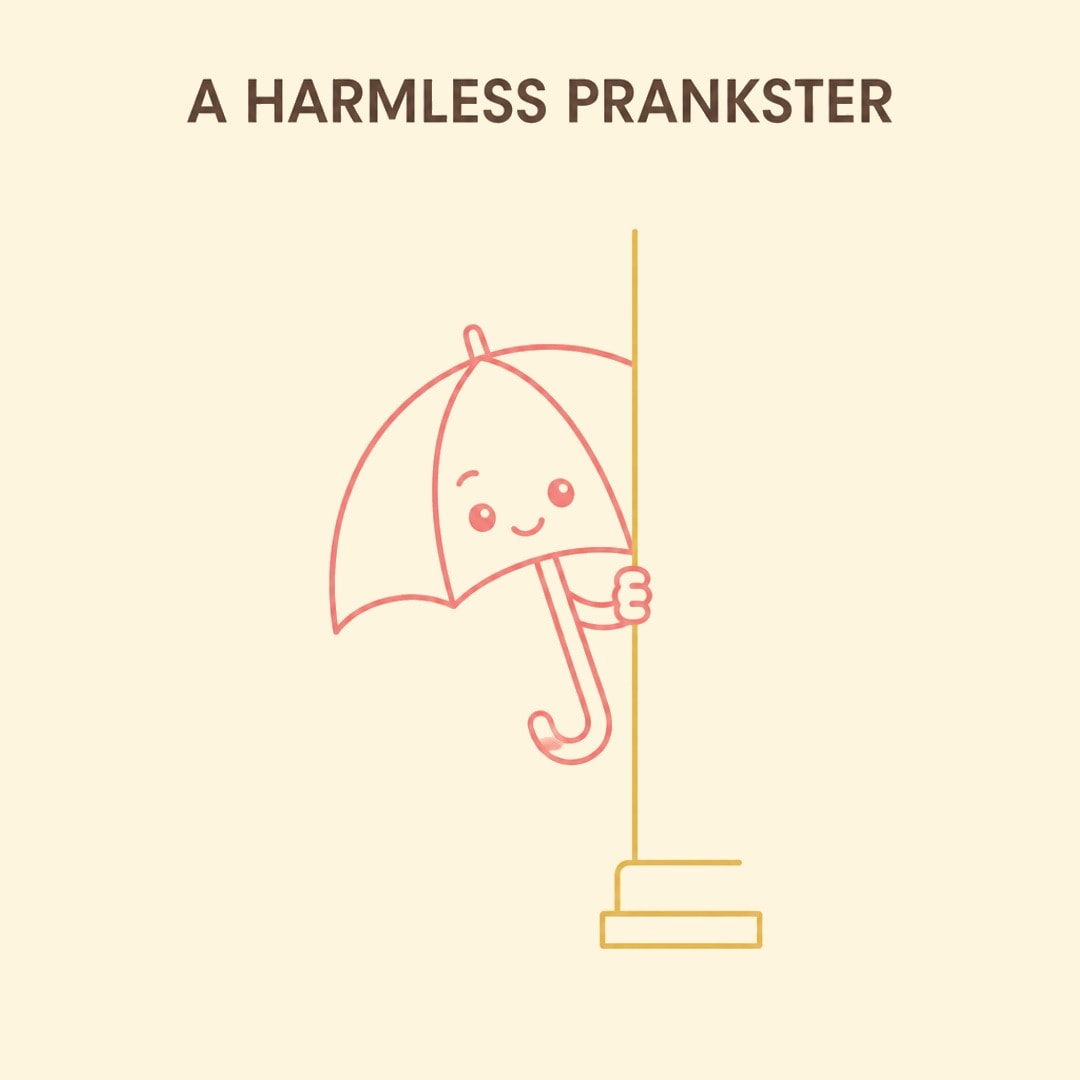
Despite having a spooky appearance with its giant eye and flapping tongue, the umbrella spirit is not a dangerous monster that causes real harm. It is actually a harmless prankster that prefers fun over fear, choosing to make people jump rather than run in terror. Stories describe it sneaking up on unsuspecting people during quiet nights, especially when rain falls outside and creates puddles on the paths, just to pop out and give them a good scare. It does not attack, scratch, or hurt anyone in any way. Instead, it relies on sheer surprise and silliness to startle late-night travelers before hopping away quickly into the dark. People in the past could easily laugh off the encounter once they realized what had just bounced past them in the drizzle.
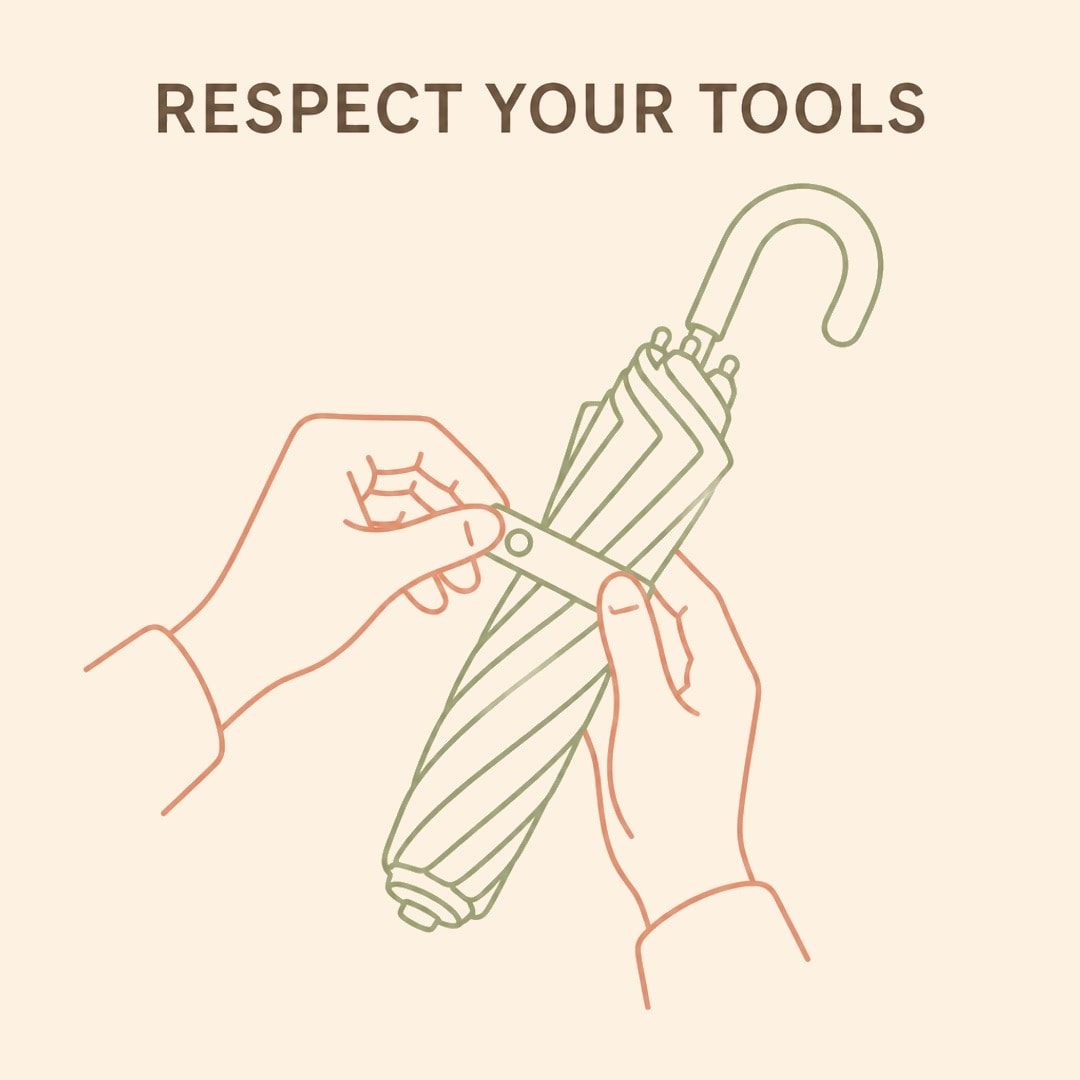
Behind all the hopping and tongue-wagging, these stories carry a very gentle and practical lesson about everyday life and human responsibility. The myth encourages people to respect the things they own and take good care of their possessions rather than treating them as disposable. If you treat your clothes, tools, and household items with care instead of throwing them in the trash the moment they get a little old, you might not have to worry about them coming back to life to haunt your hallway. It serves as a creative, memorable way to teach mindfulness and reduce waste, reminding everyone that all physical objects have a story and a value worth preserving.
The umbrella spirit remains a charming part of cultural history today, showing up frequently in modern anime, manga, and video games around the world. It proves that even the simplest household objects can spark centuries of imagination and keep our shared storytelling traditions alive.